Marble products
Marble herringbone floor
A herringbone floor arranges rectangular marble strips at an angle, set side by side to form the zigzag pattern. It is chosen to bring movement and refinement to living rooms, entrances and galleries, with an effect reminiscent of parquet.
Request a quoteHow to choose
The strips usually have a length-to-width ratio of 2:1 or more and a thickness normally of 1-2 cm. A marble with soft veining works better than one with very bold patterns, which in a herringbone can tire the eye. It can be laid with straight-cut or chevron (diamond-point) ends for a bolder version.
Fabrication and installation
The strips are cut with great precision of angles and lengths, because the pattern is unforgiving of errors. Installation requires careful setting out starting from the centre of the room, with adhesive spread in an even layer.
Care and maintenance
Neutral detergents and a damp cloth are enough for routine maintenance. The dense joints require periodic cleaning with a soft brush.
Materials for herringbone floor
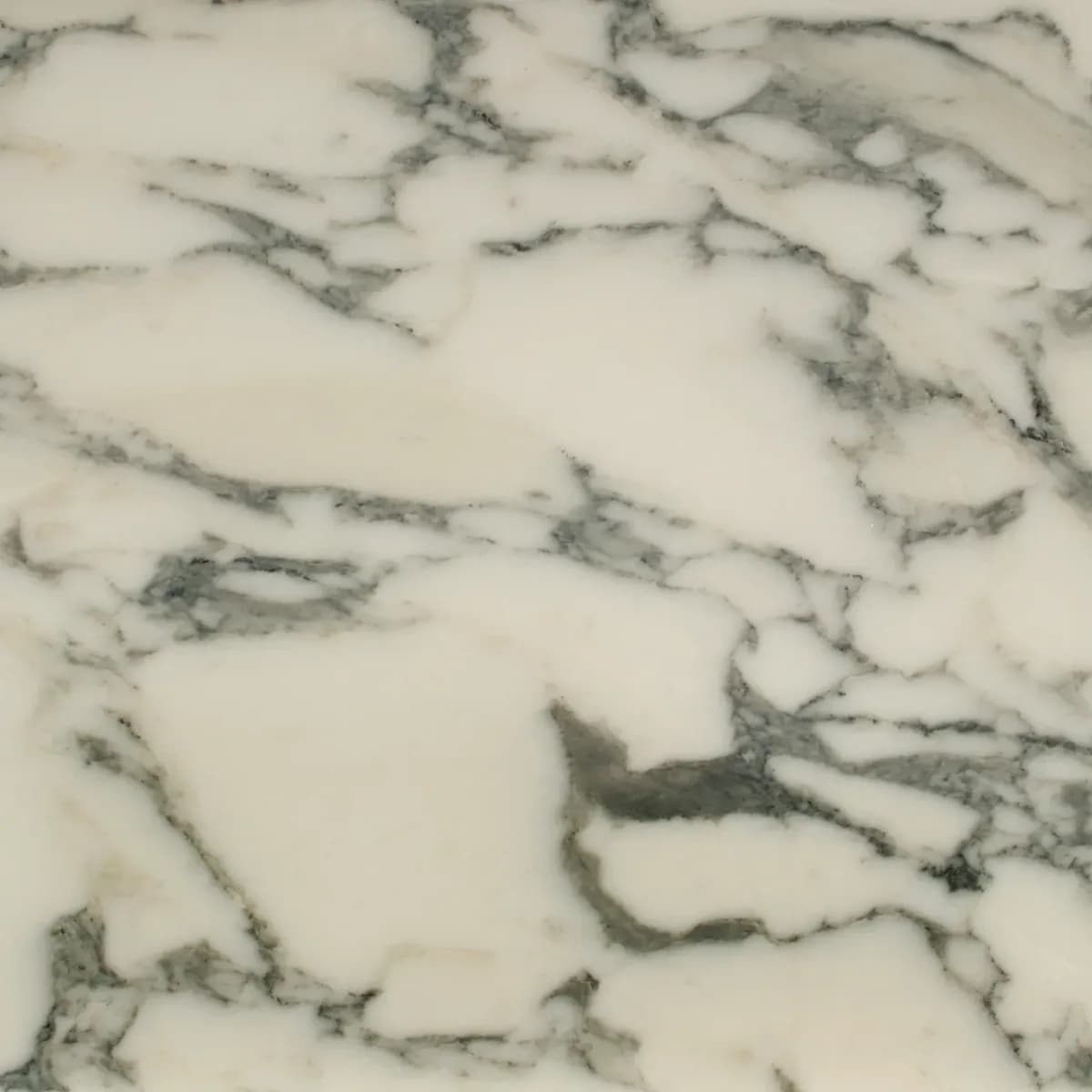
Arabescato
marble
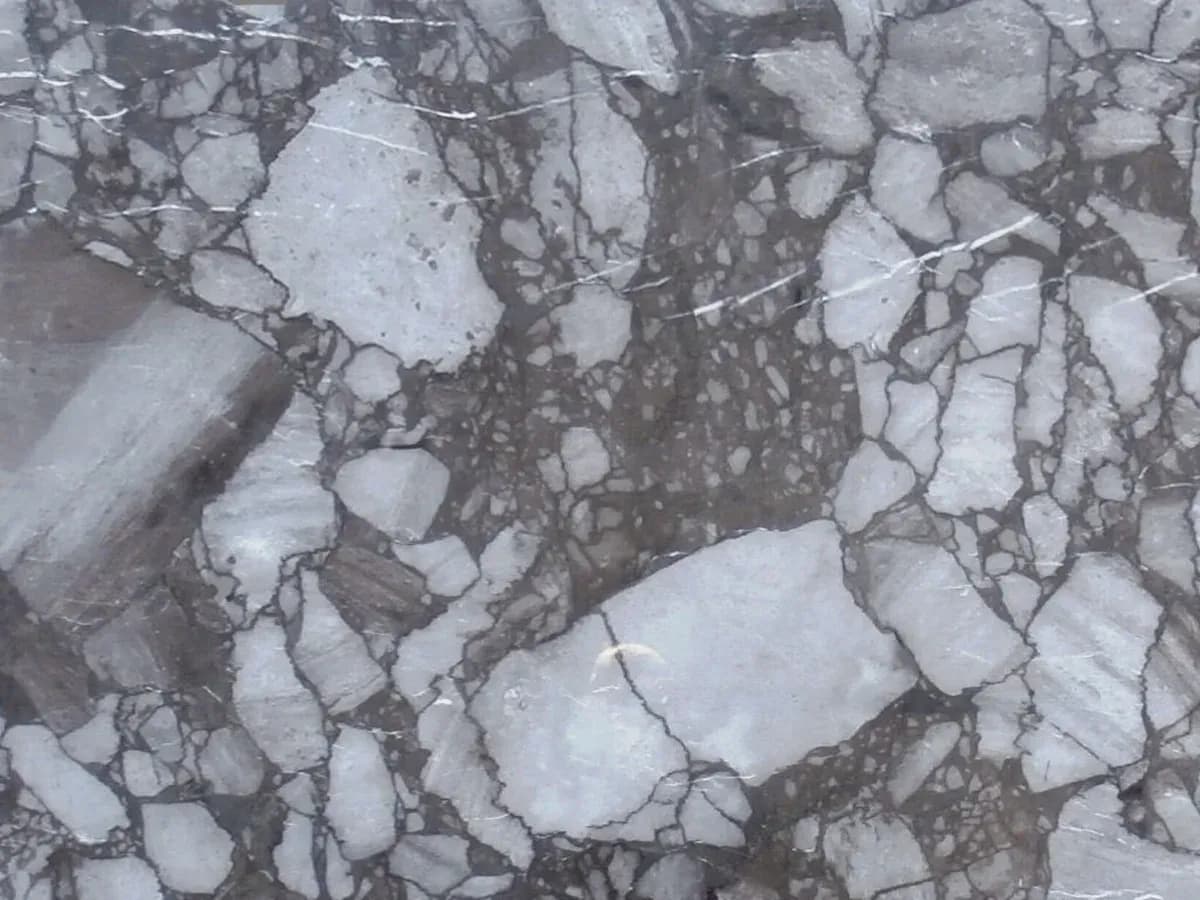
Arabescato Alpino
marble white
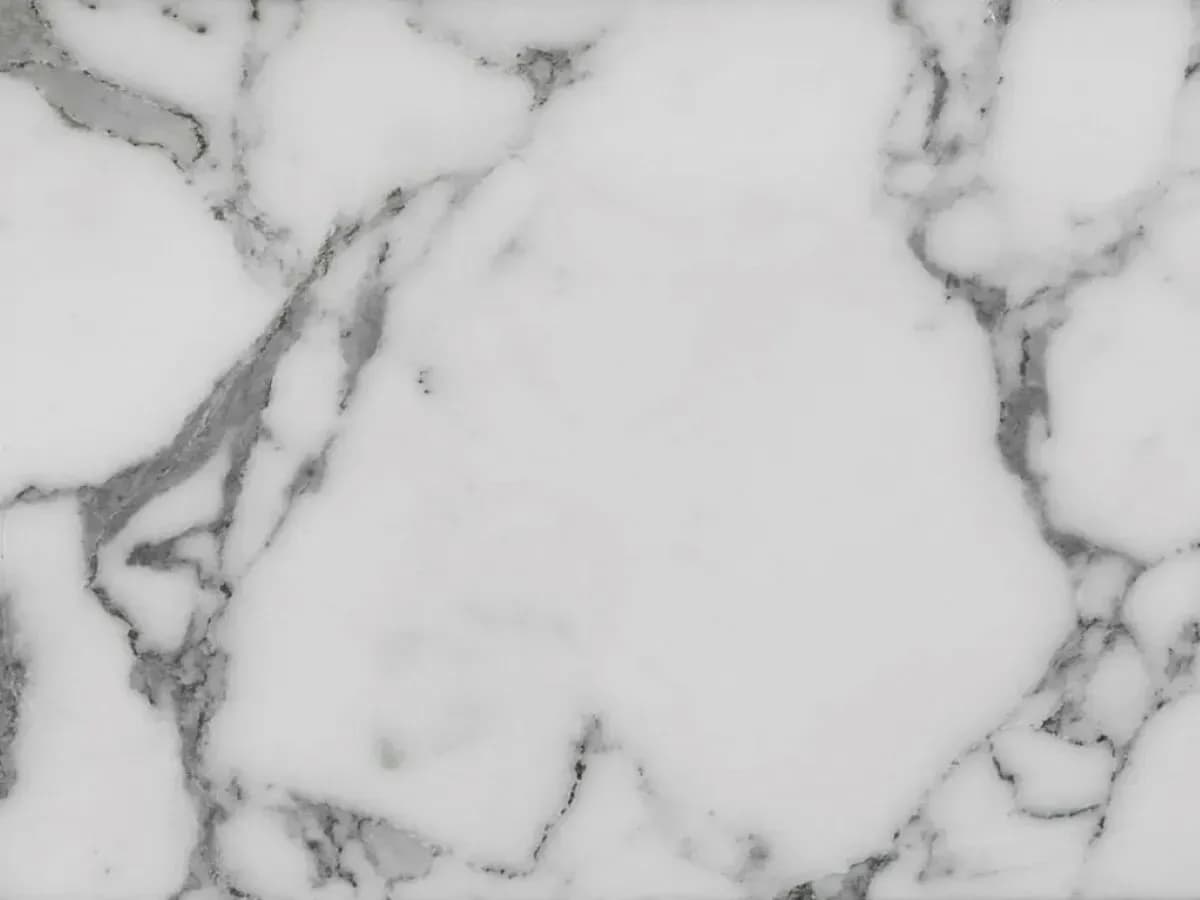
Arabescato Cervaiole
marble white
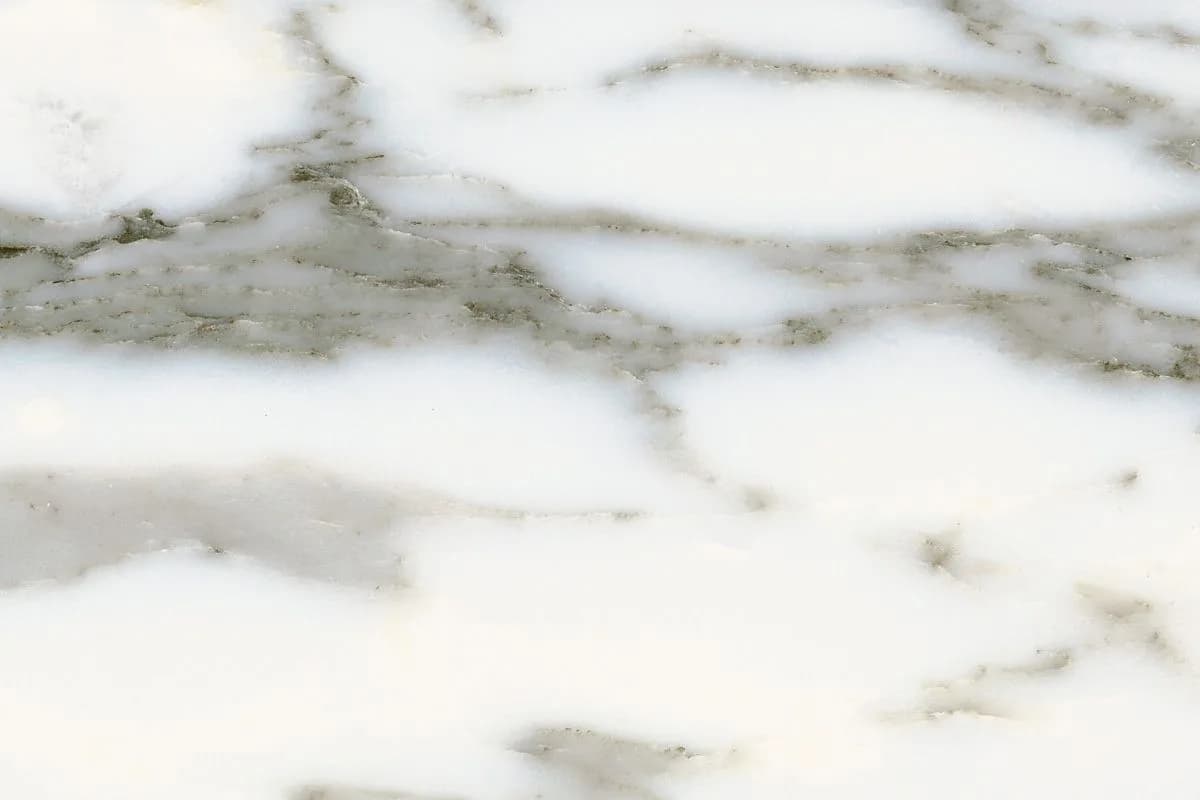
Arabescato Corchia
marble
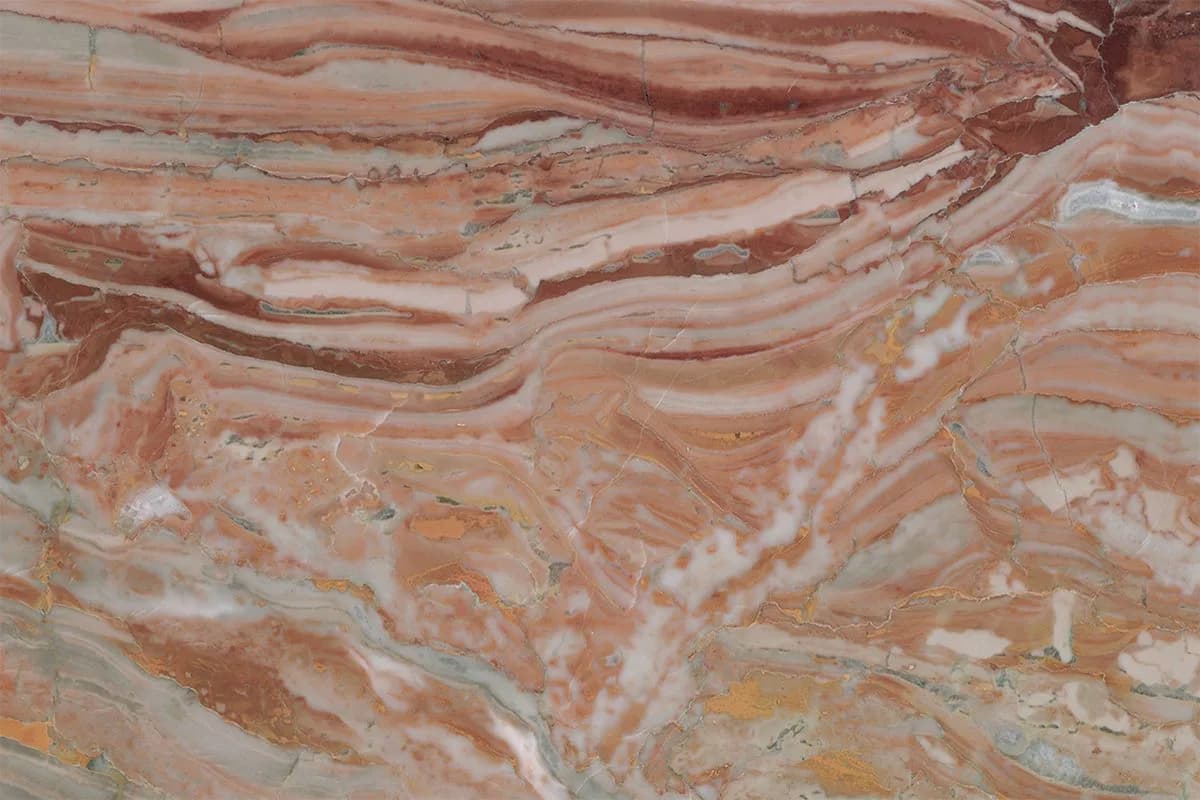
Arabescato Orobico Rosso
marble red
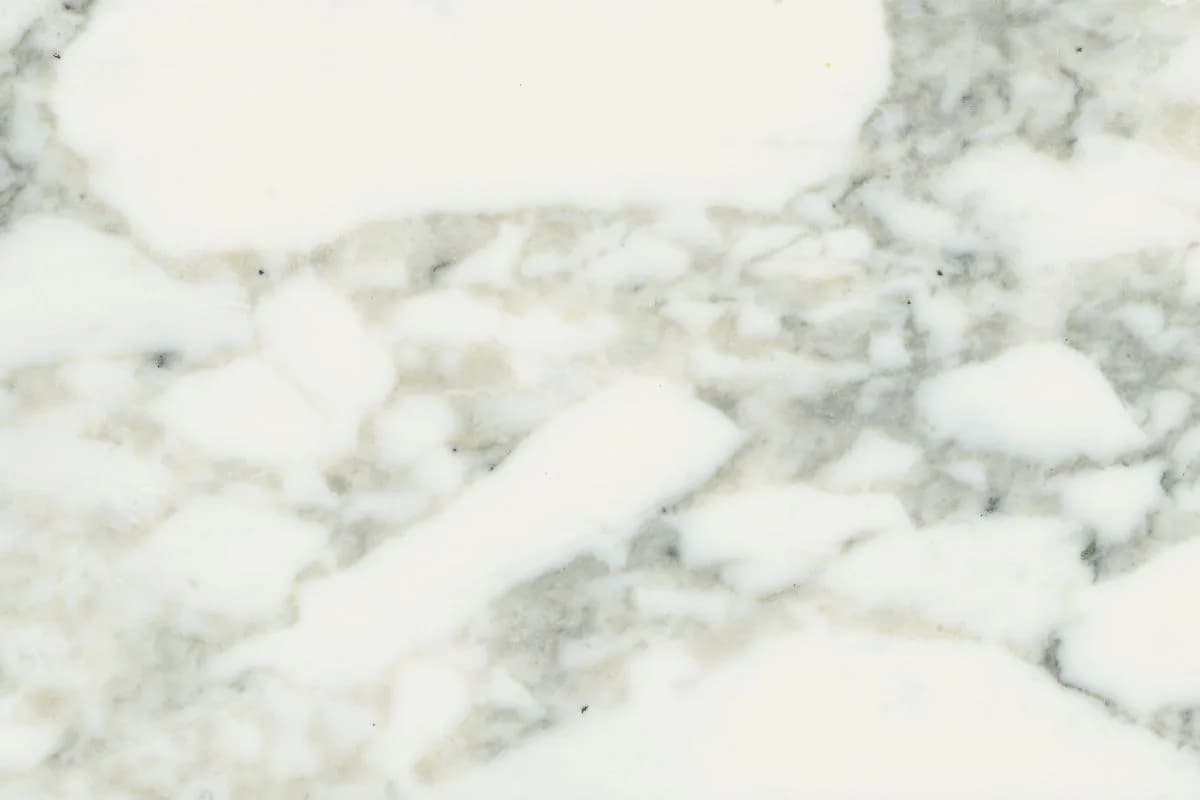
Arabescato Vagli
marble white
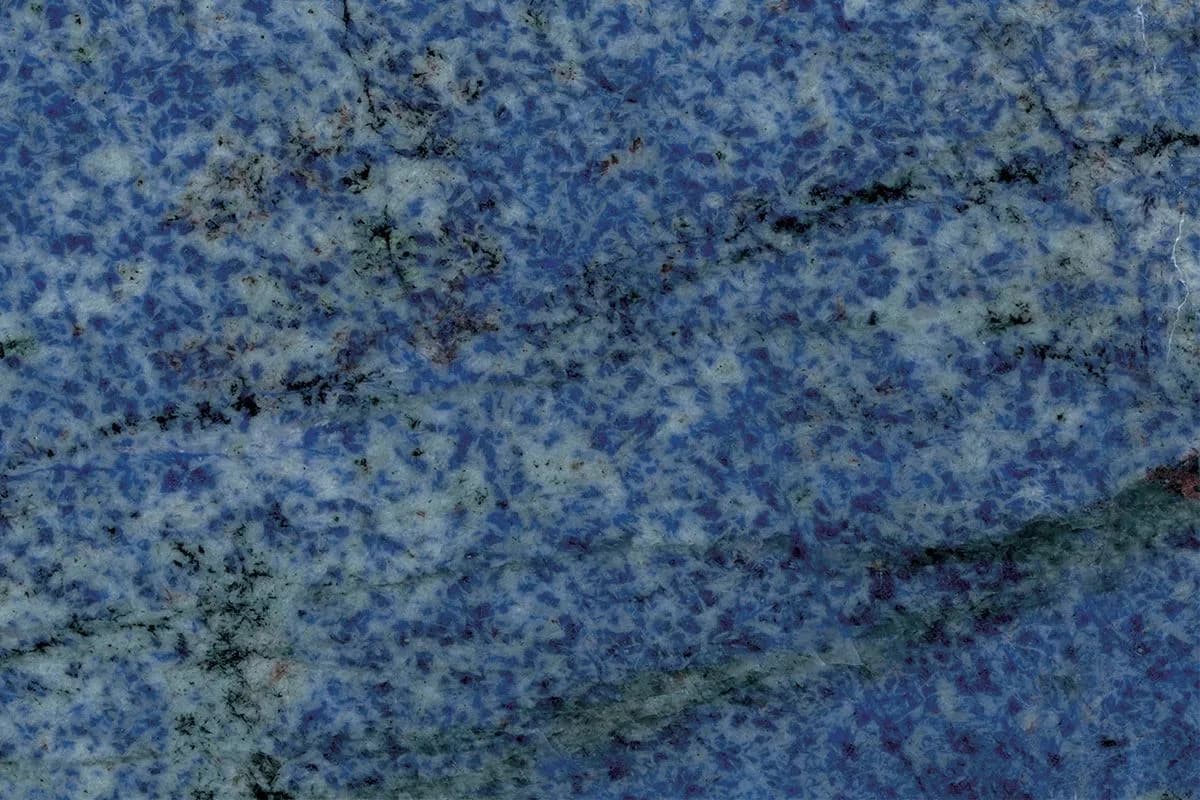
Azul Bahia
granite blue
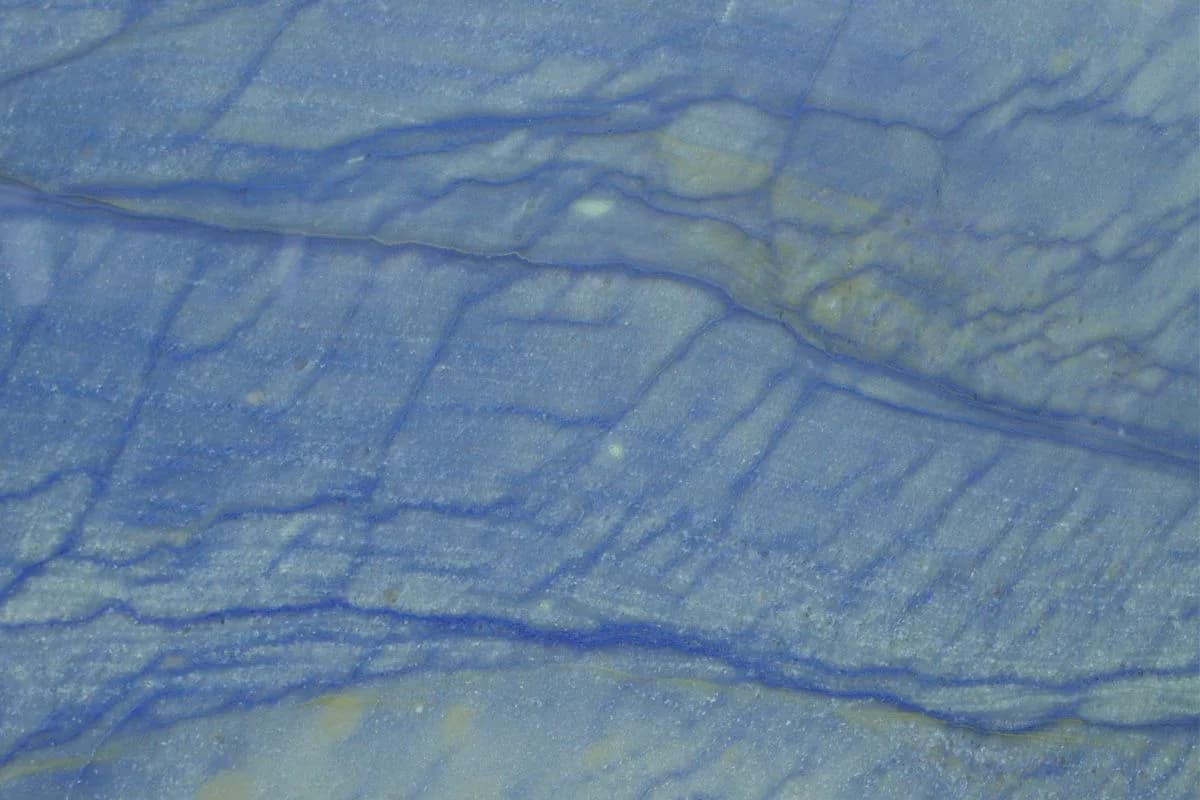
Azul Macaúbas
quartzite blue
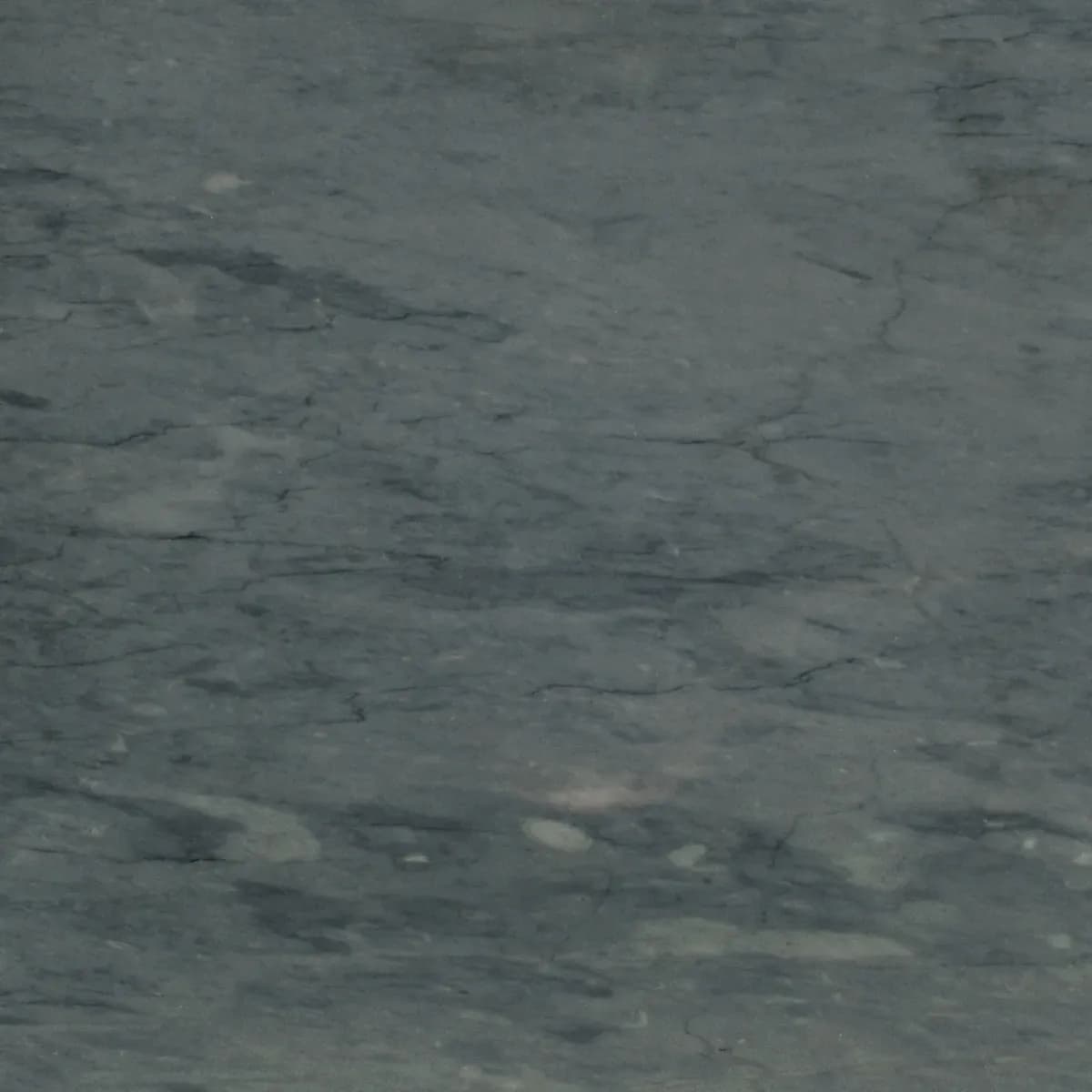
Bardiglio
marble grey
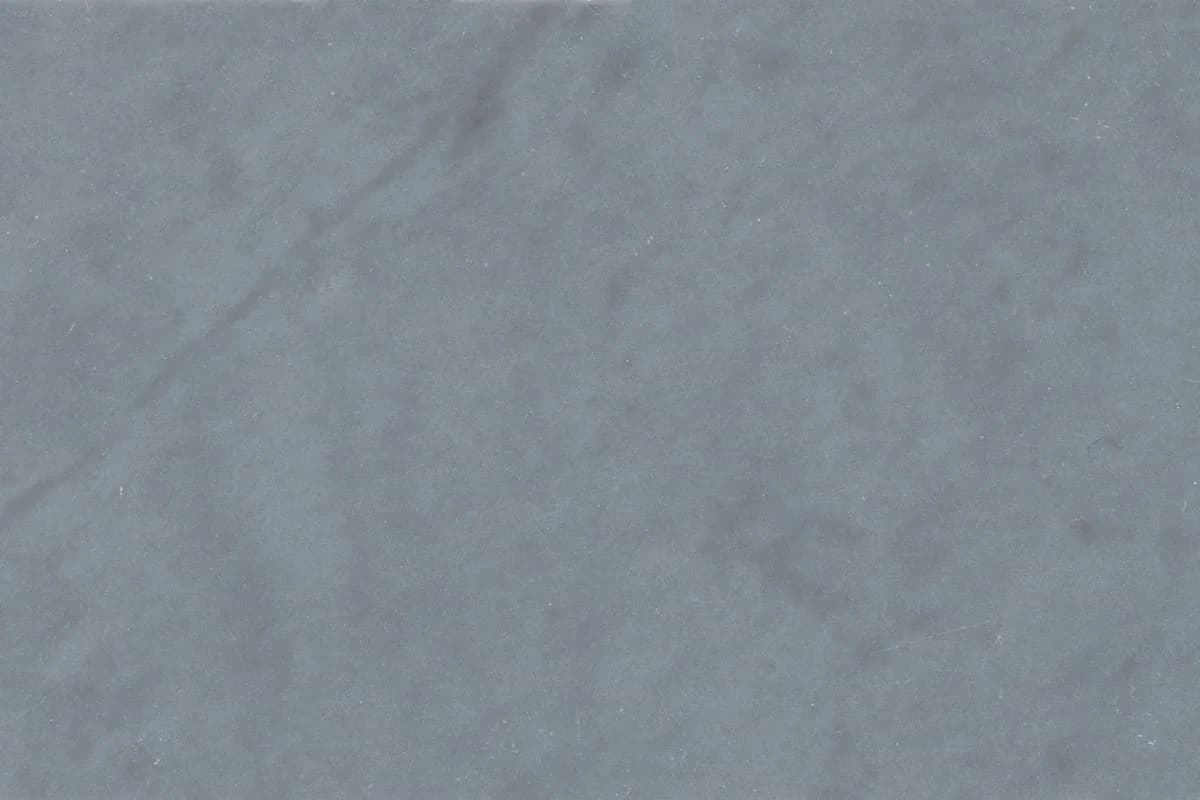
Bardiglio Imperiale
marble grey
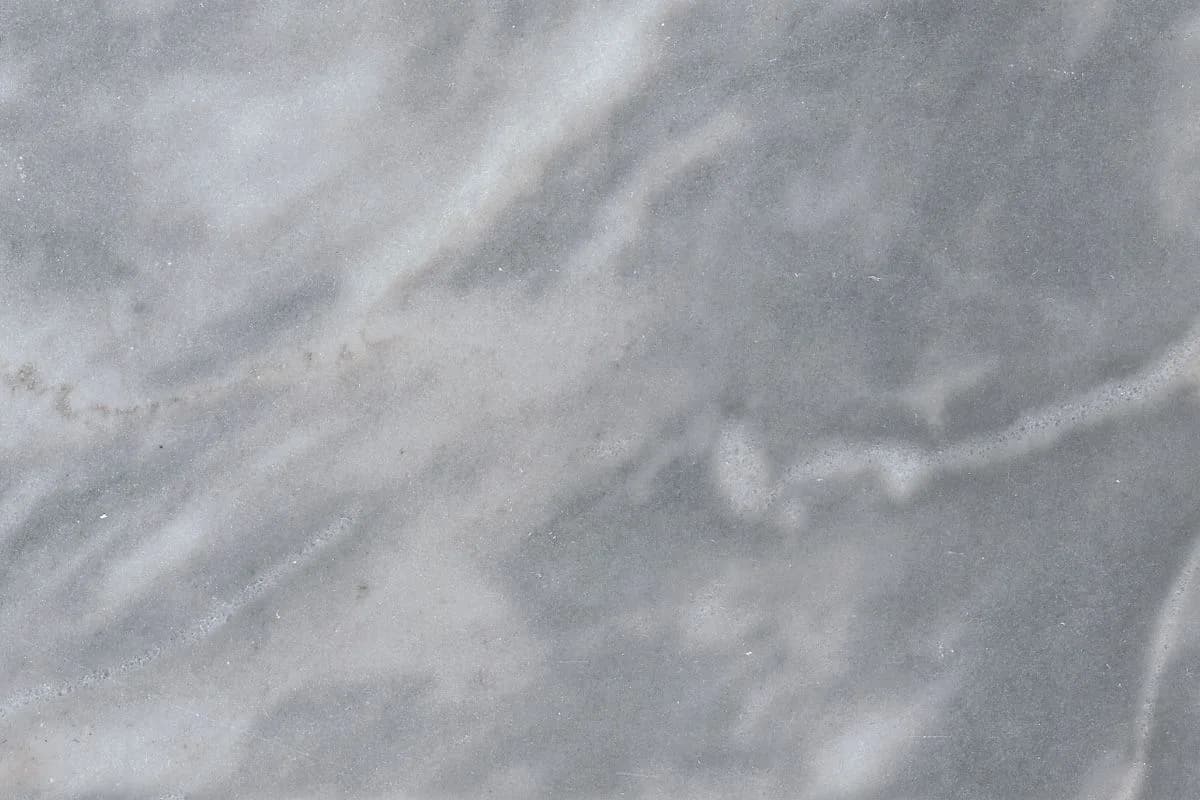
Bardiglio Nuvolato
marble grey
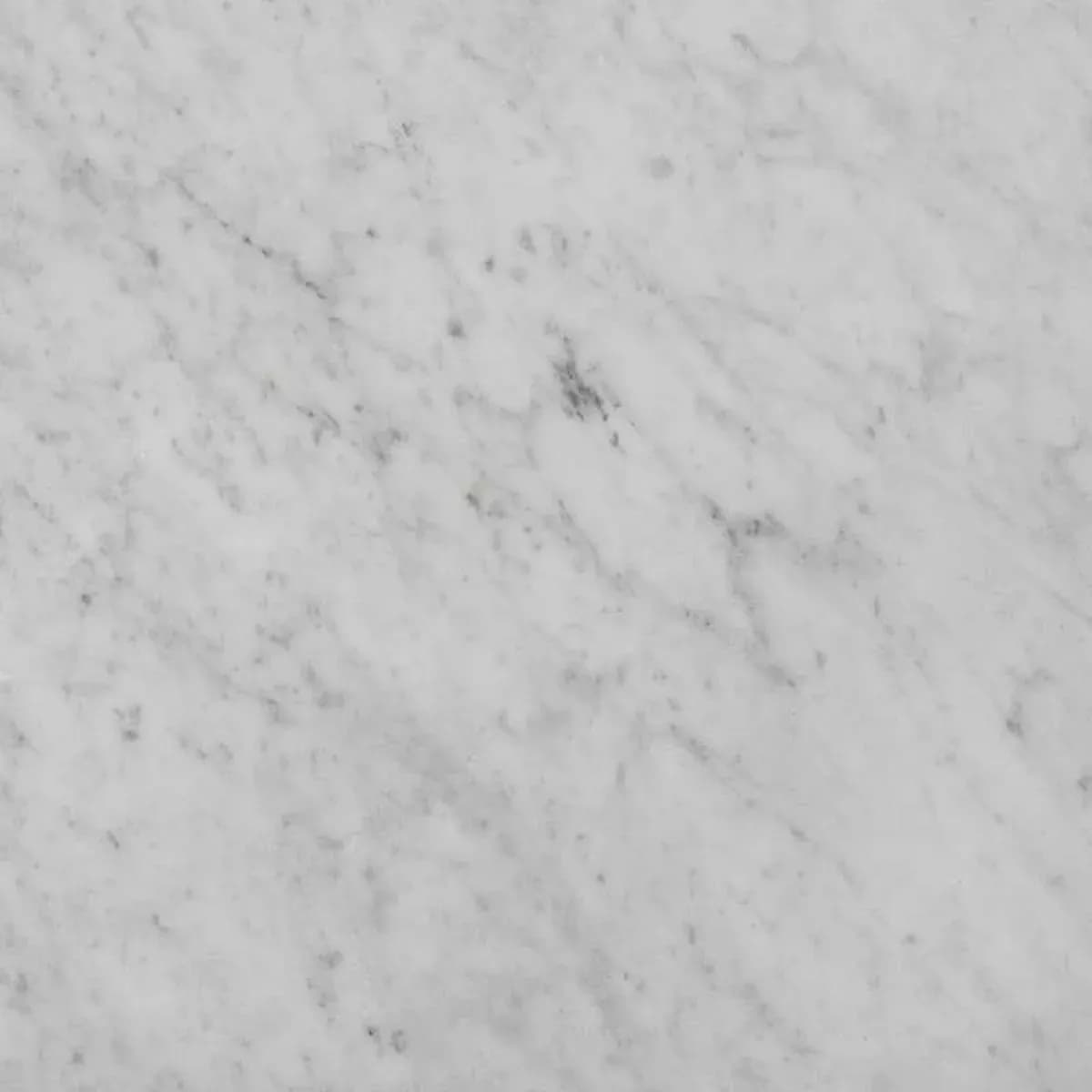
Bianco Carrara
marble white
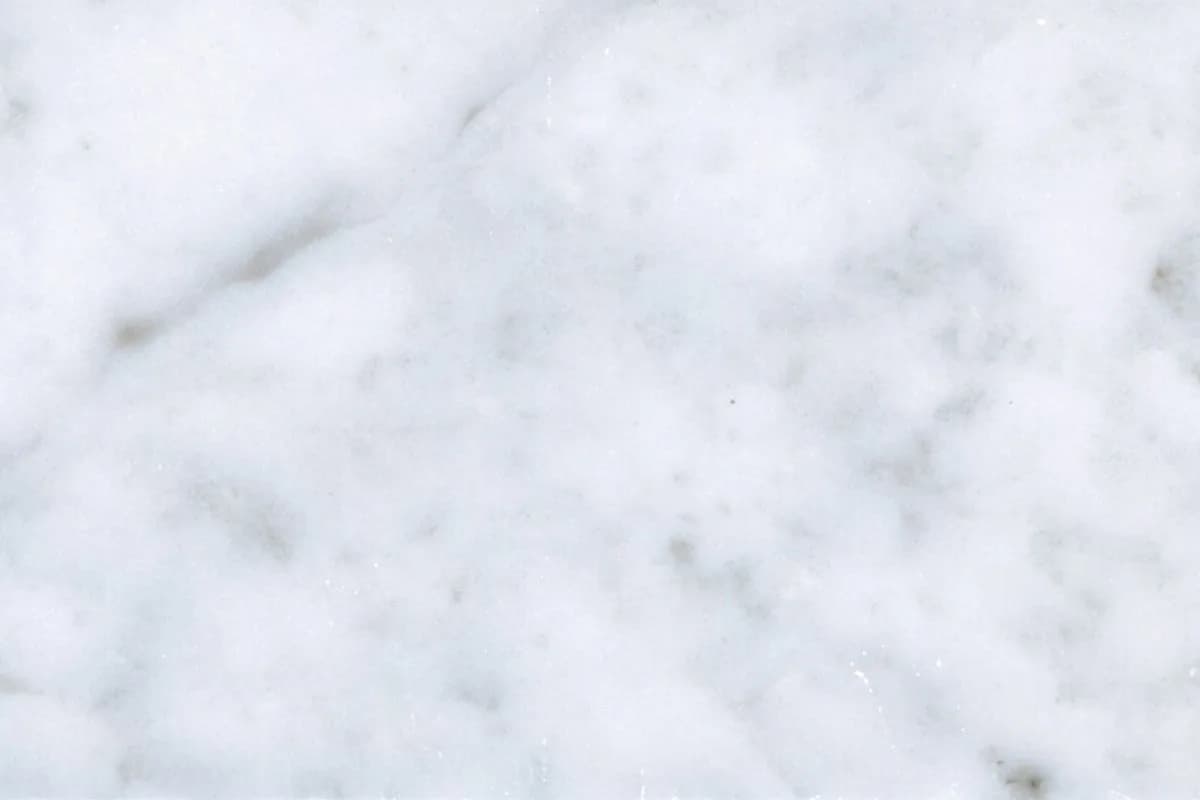
Bianco Carrara C
marble white
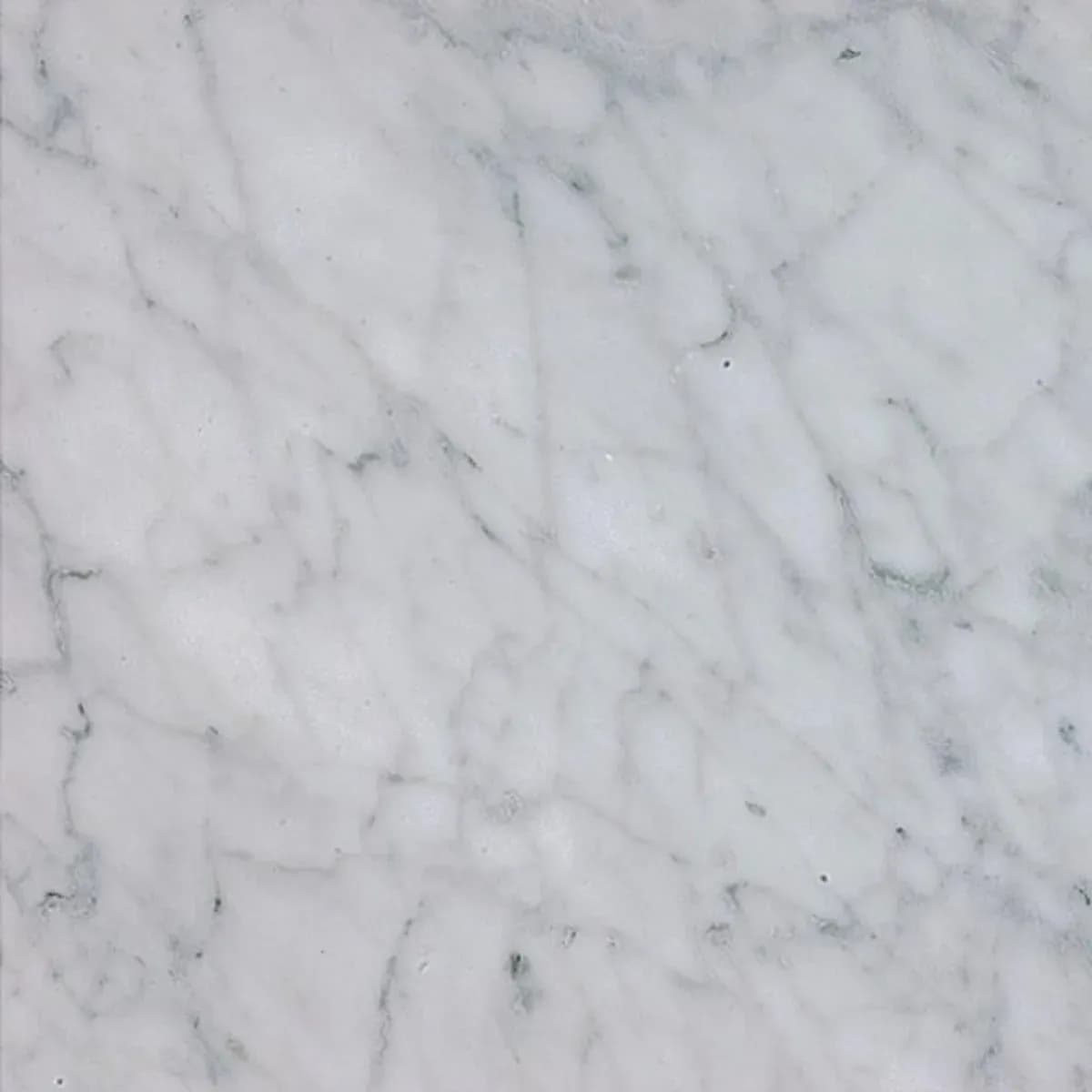
Bianco Carrara C Extra
marble white
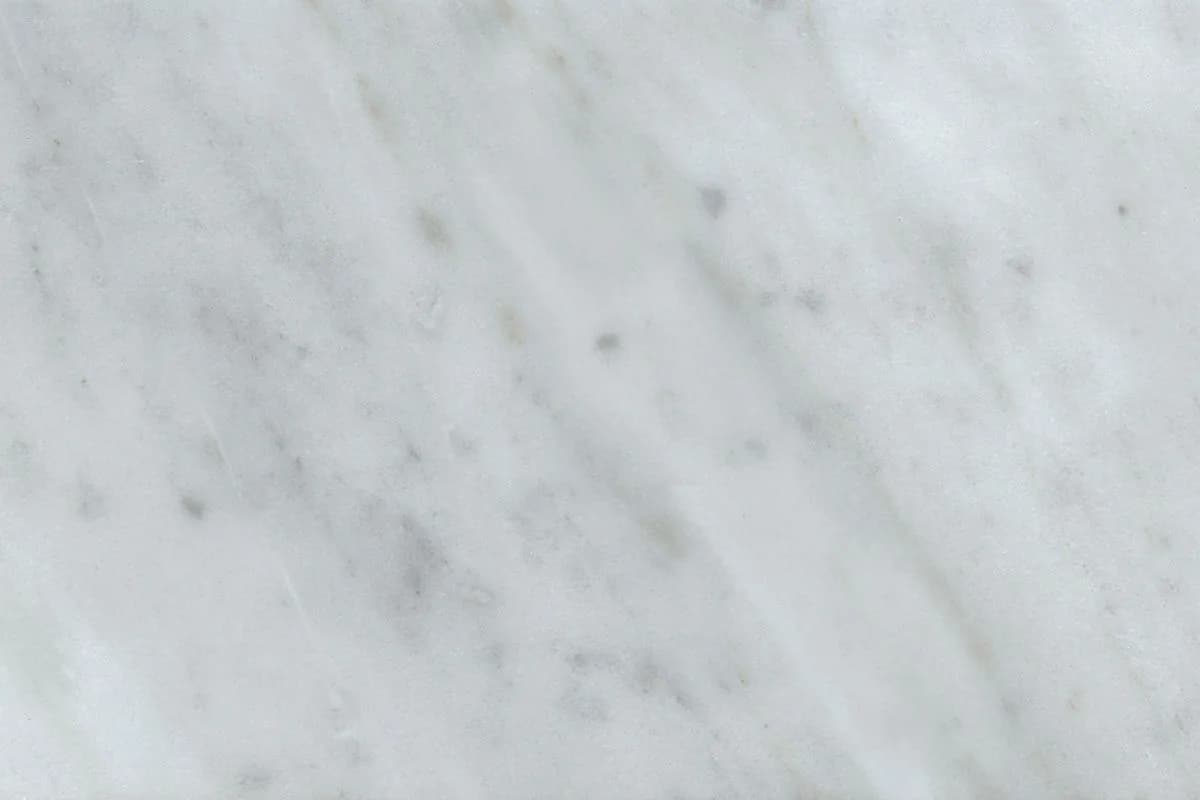
Bianco Carrara CD
marble white
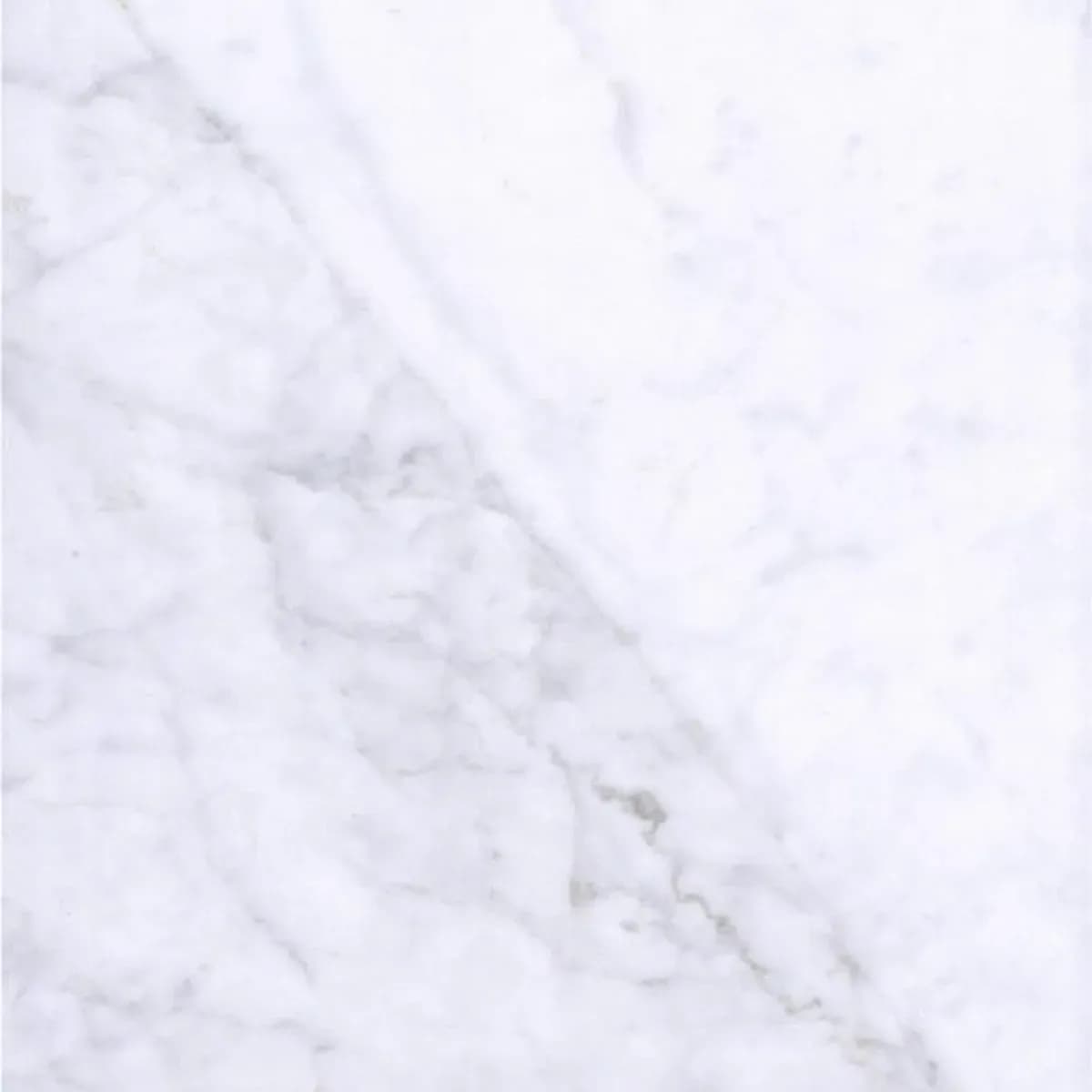
Bianco Carrara S Extra
marble white
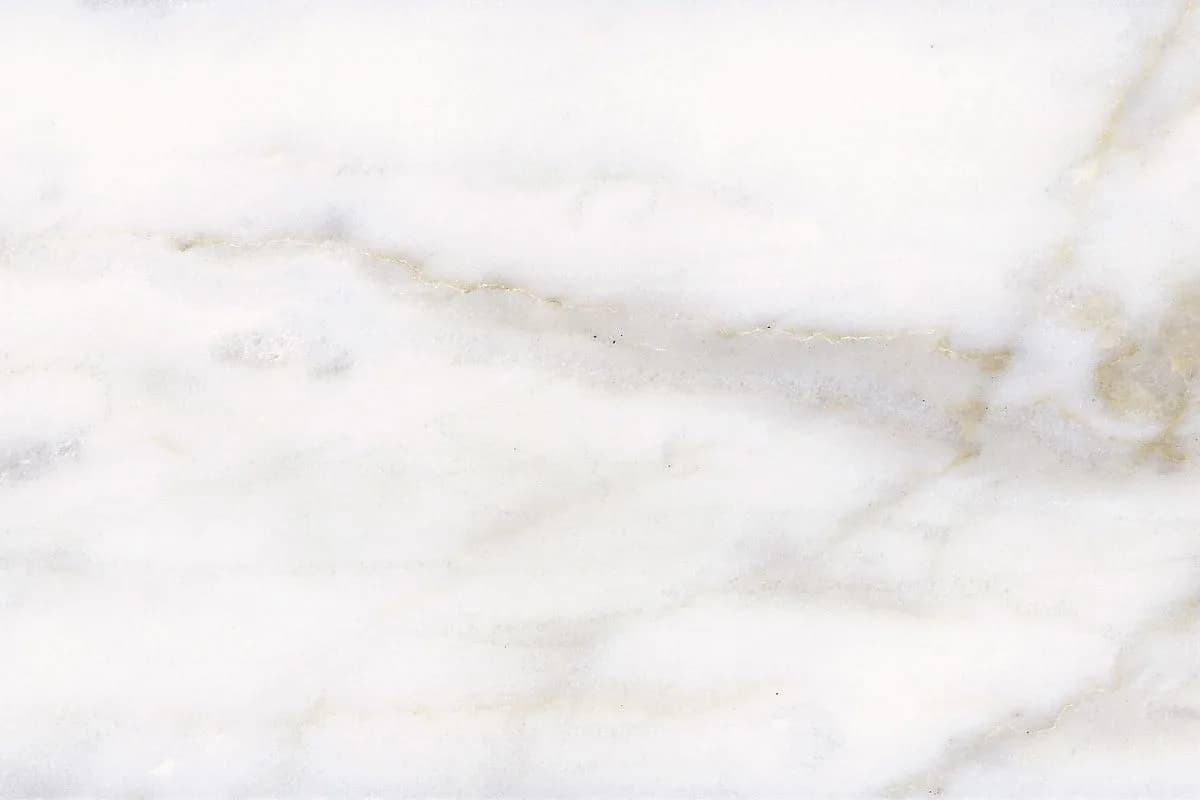
Bianco Carrara Venato
marble white
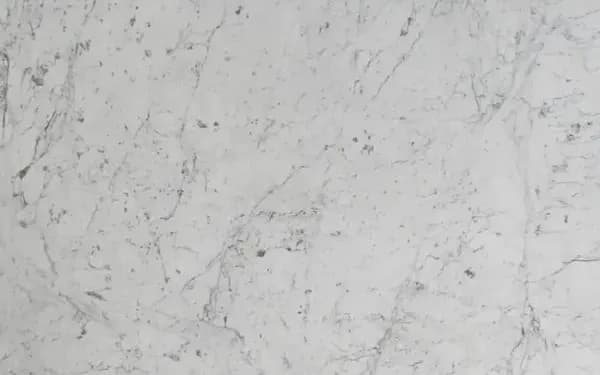
Bianco Gioia
marble white

Bianco Statuario Classico
marble white
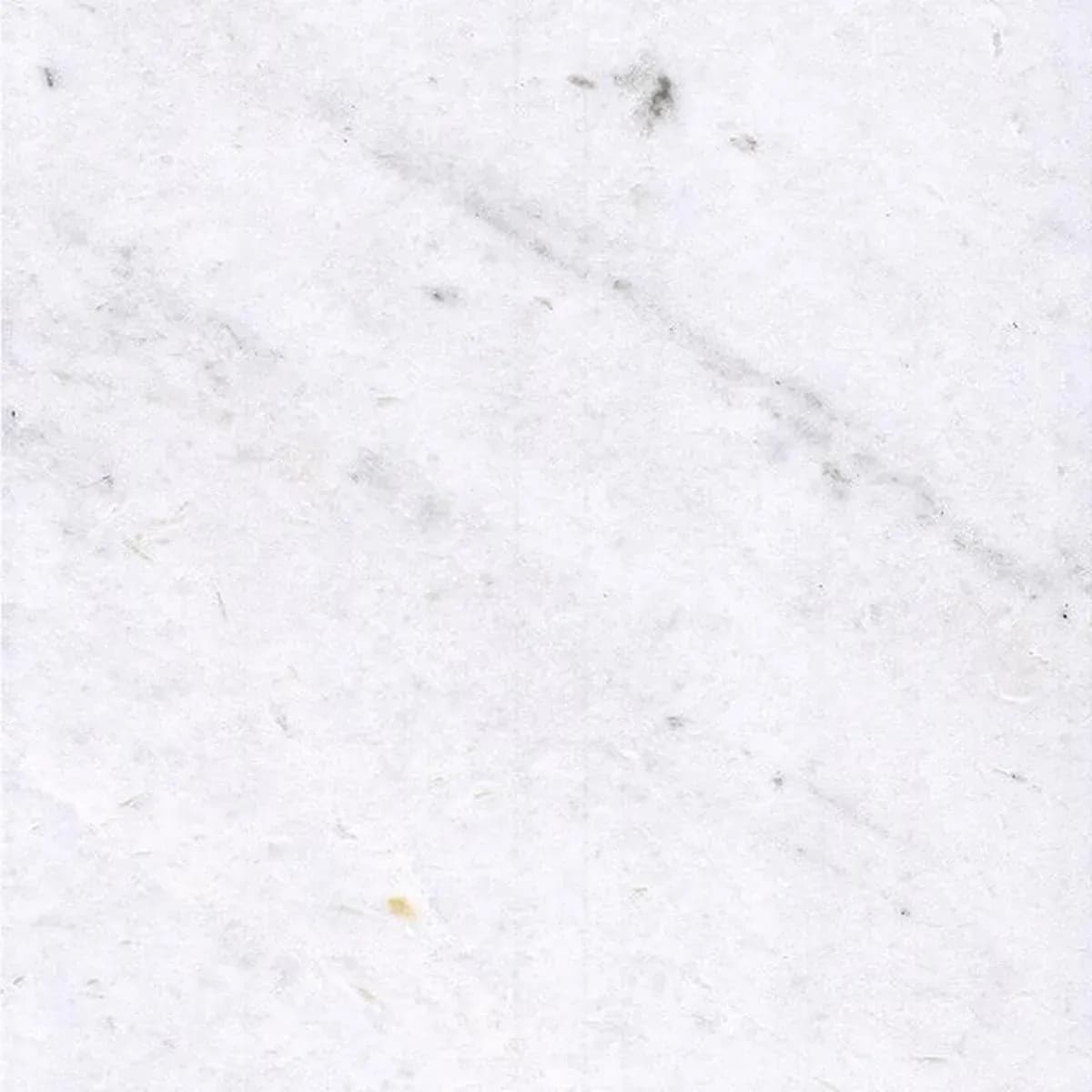
Calacatta Atlantico
marble white
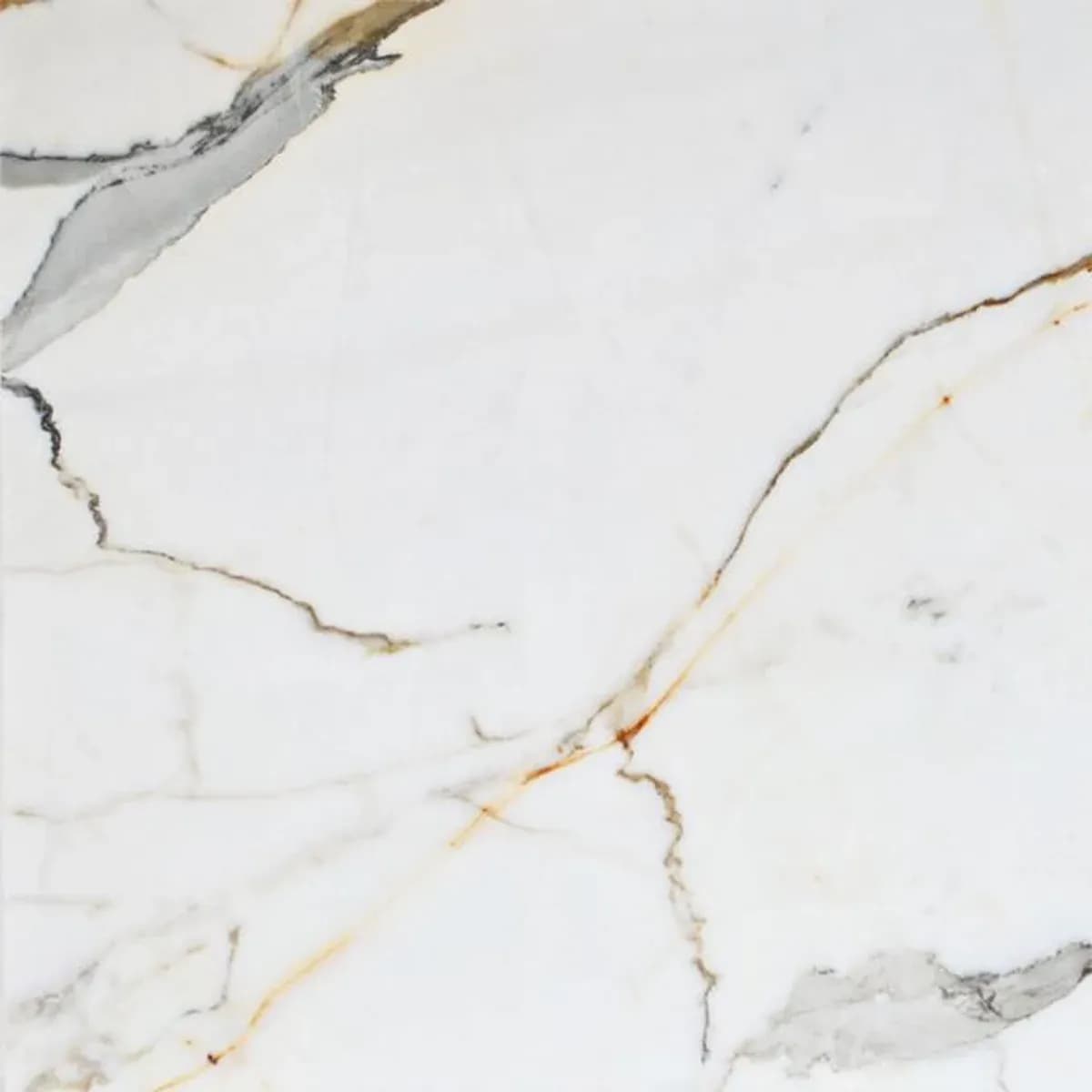
Calacatta Borghini
marble white
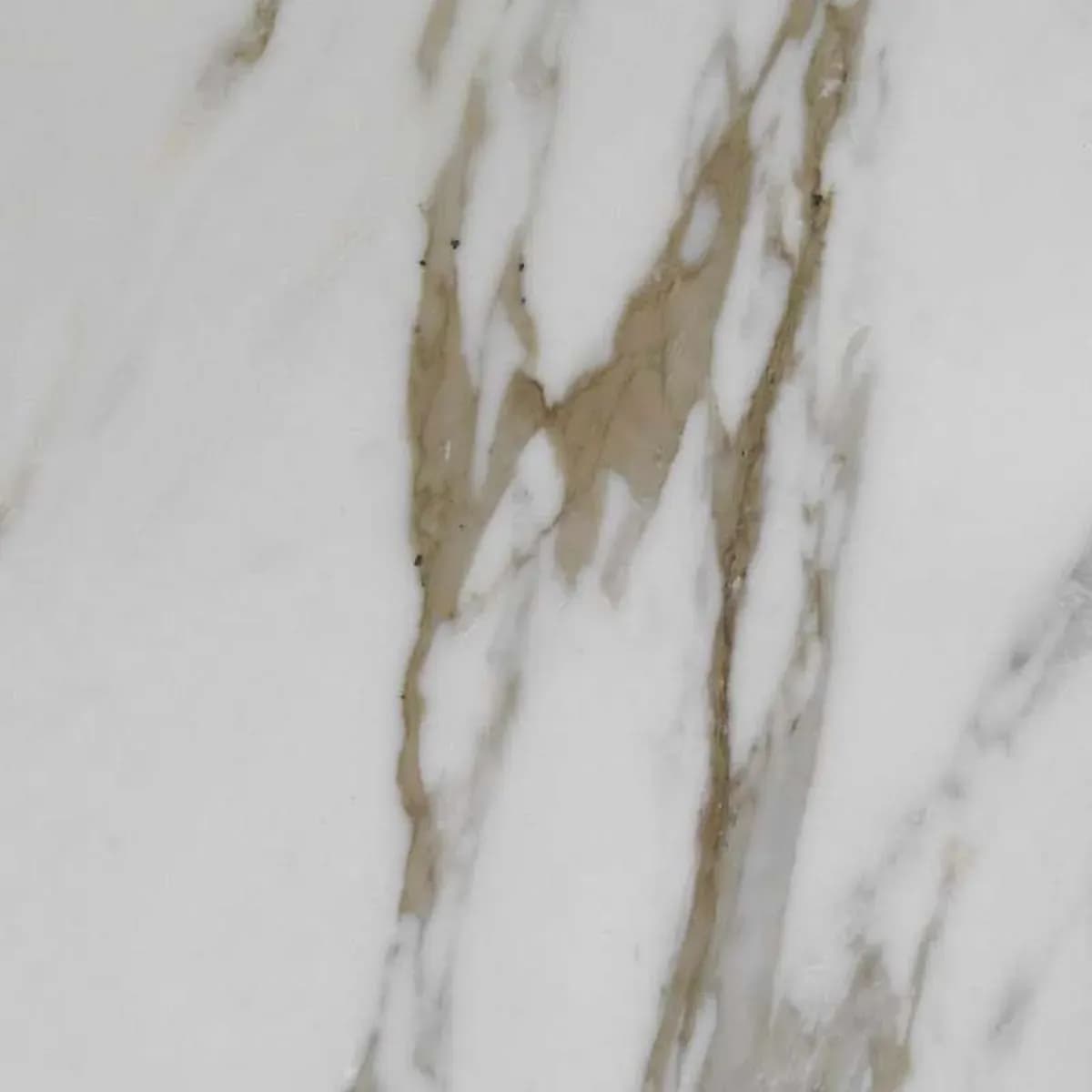
Calacatta Carrara
marble white
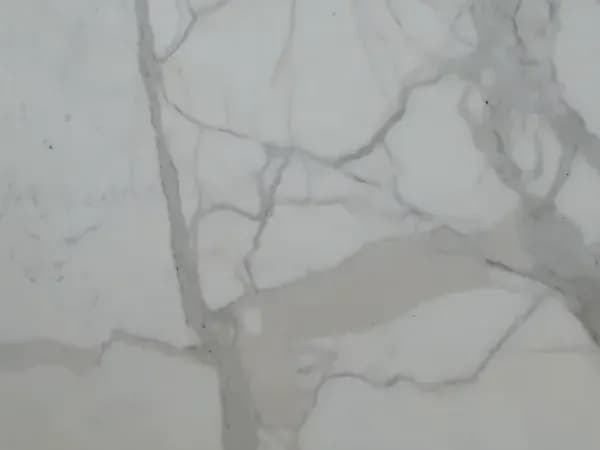
Calacatta Gold
marble white
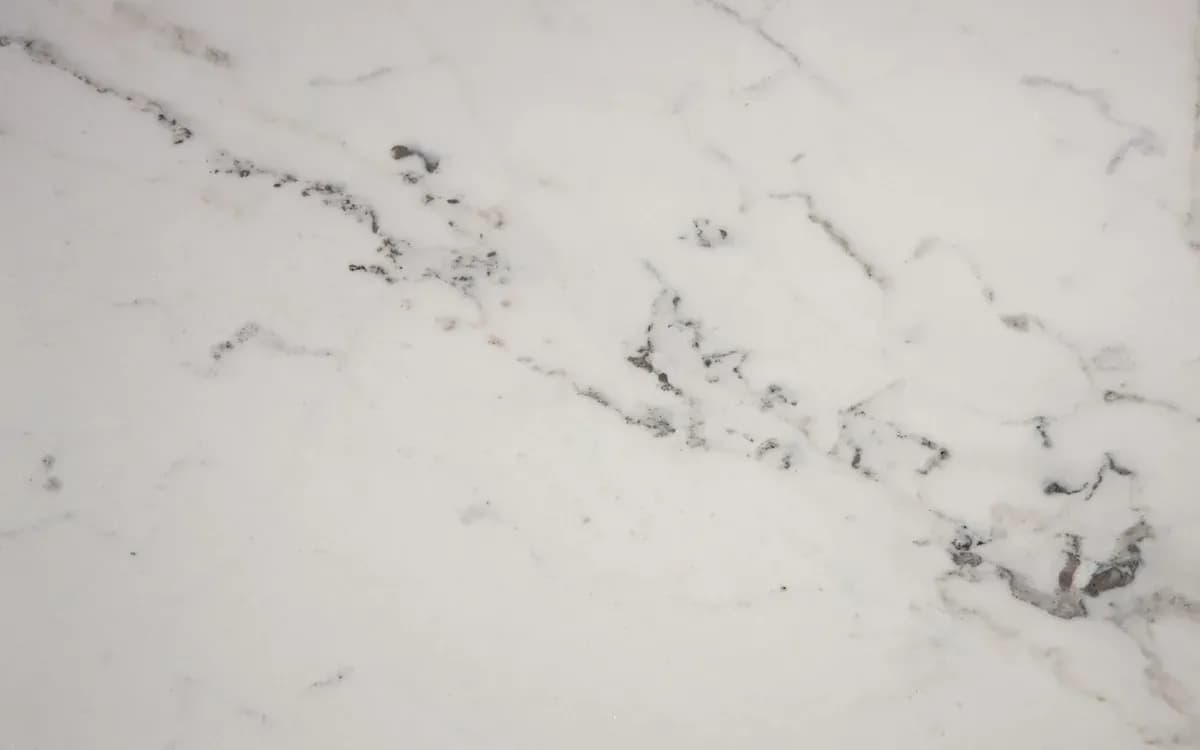
Calacatta Gold Vein
marble white
Frequently asked questions
- How much extra material should be allowed for herringbone?
- Cuts at the corners and edges of the room increase waste compared with a straight lay. A larger margin is normally allowed, which the installer assesses on the floor plan.
- Can herringbone be done in two colours?
- Yes, alternating strips of two varieties gives a more graphic pattern. It is advisable to do a trial on a sample layout first.
From the quarry to your project
Request a quote
Sizes, photos or a drawing: we reply within one working day with photos of the available slabs.