
Marble for
Marble for bridges
On bridges, stone has a historic use for parapets, abutments and paving, and today it is used for cladding and details. It gives a solid look that is well integrated into the landscape.
Request a quoteWhat to look at
This is an environment heavily stressed by frost, rain, vibrations and salts. Robust stones with low absorption and fixing systems designed by a structural engineer are needed.
What is made
We produce cladding for abutments and piers, parapets, copings, pedestrian paving and kerbs. Each element is sized and fixed according to the structural design.
Care and maintenance
Periodic inspections of joints, fixings and drainage are needed. Deposits and vegetation that retain moisture are cleaned off.
Materials for bridges
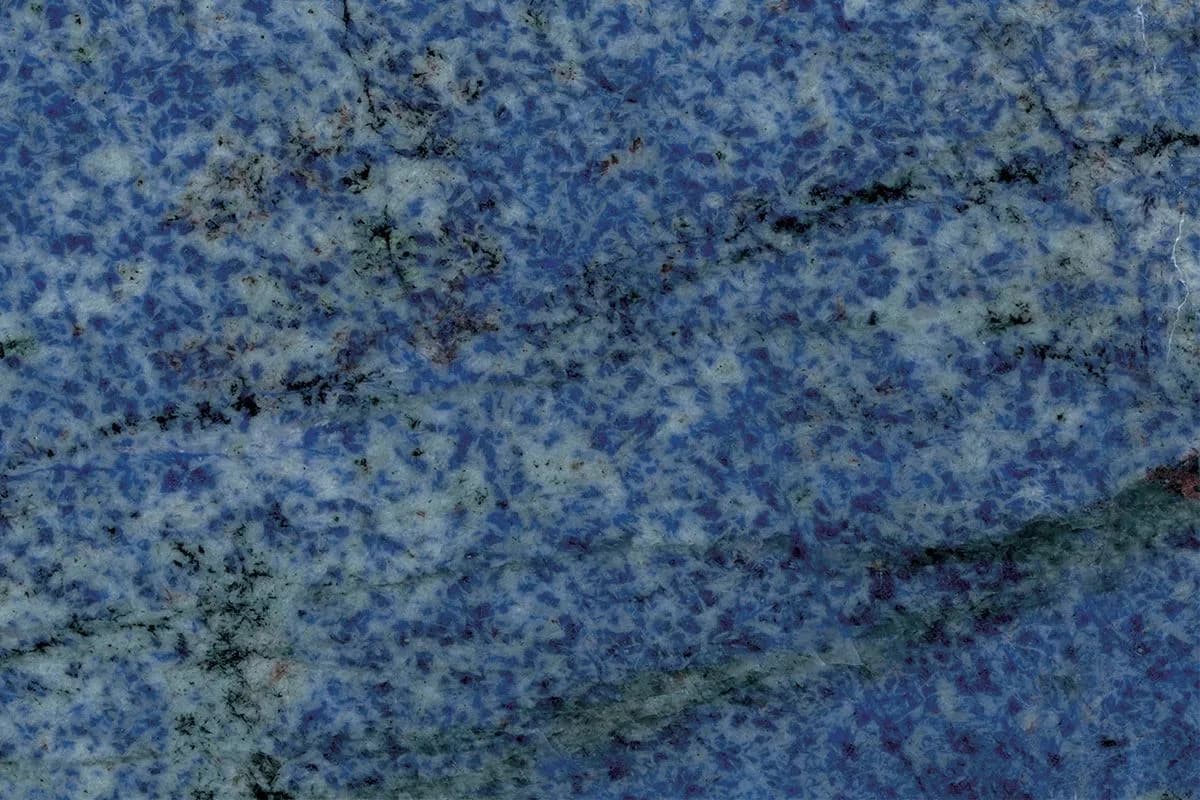
Azul Bahia
granite blue
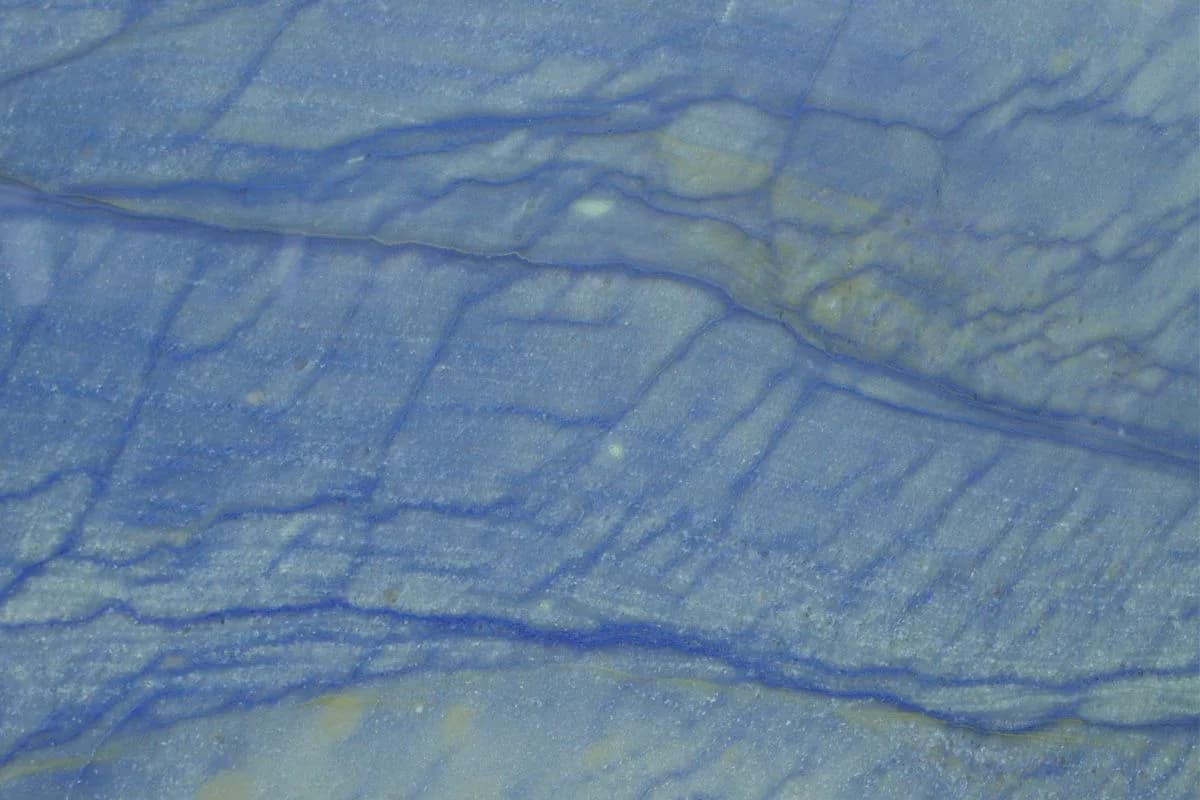
Azul Macaúbas
quartzite blue

Azul Imperiale
quartzite blue

Bianco Vena Oro
quartzite white
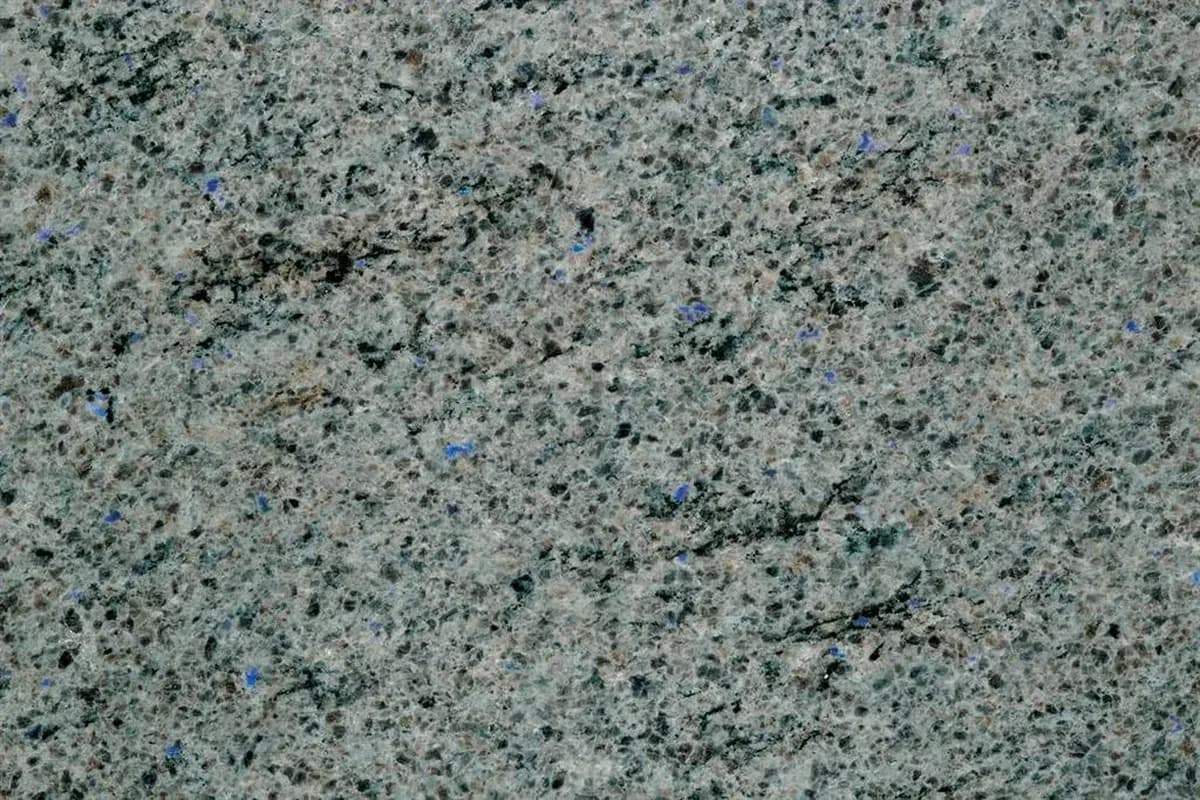
Blue Eyes
granite blue
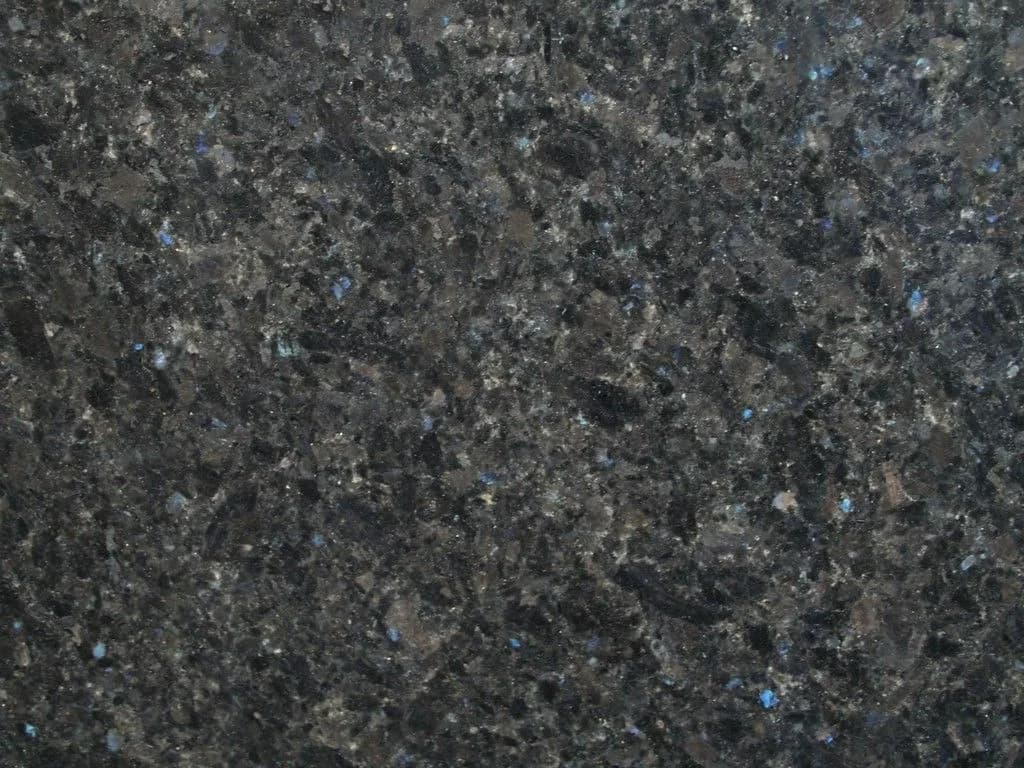
Blue in the Night
granite black
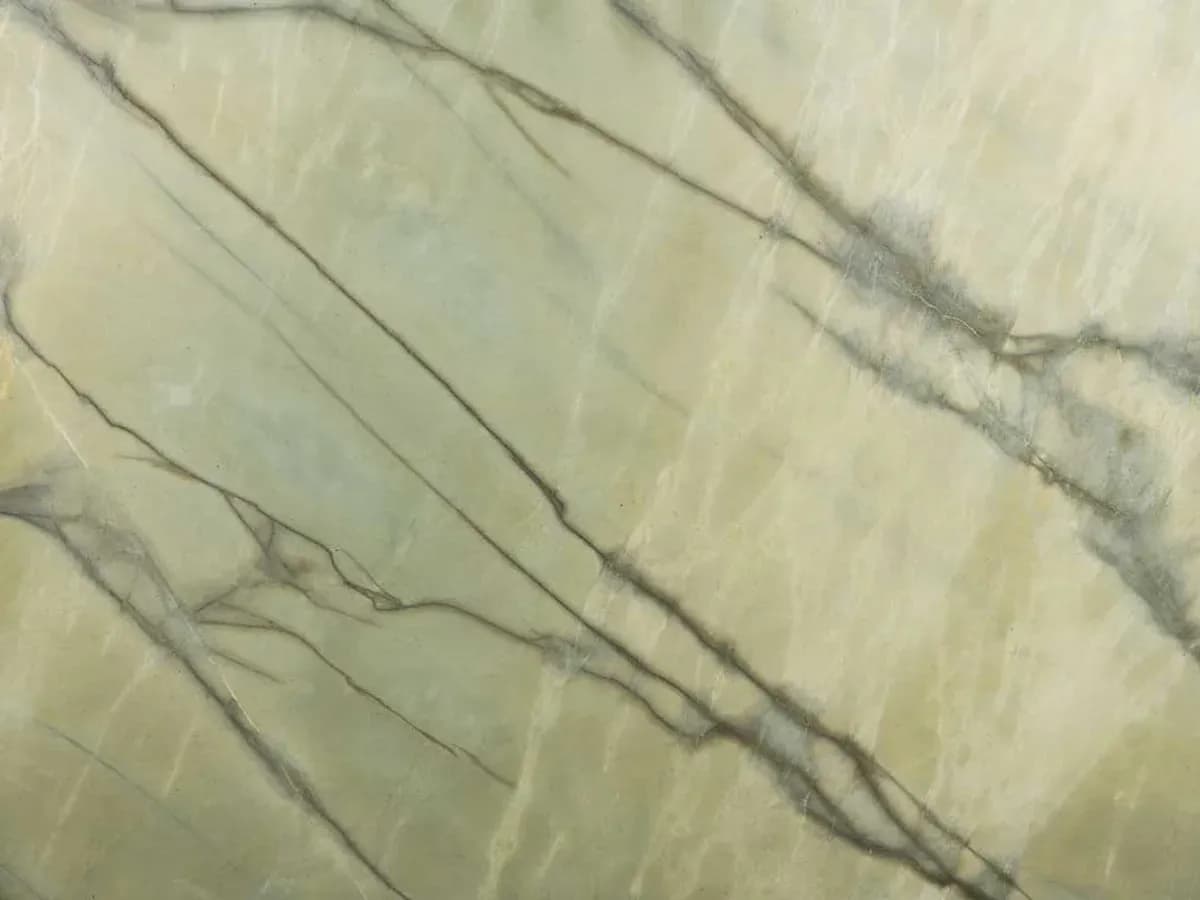
Blue Roma
quartzite blue

Blue Sky
granite blue
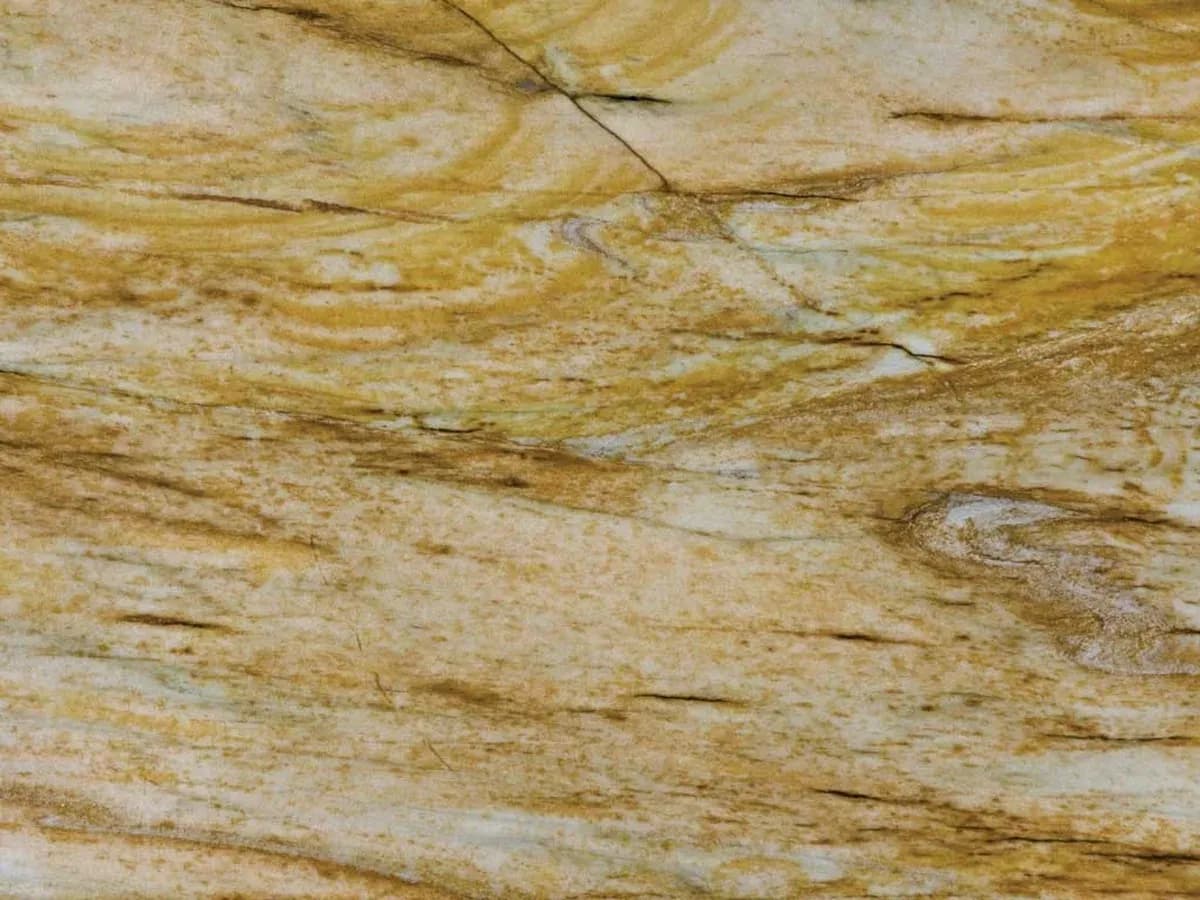
Calypso Gold
quartzite yellow
Costa Smeralda
quartzite green
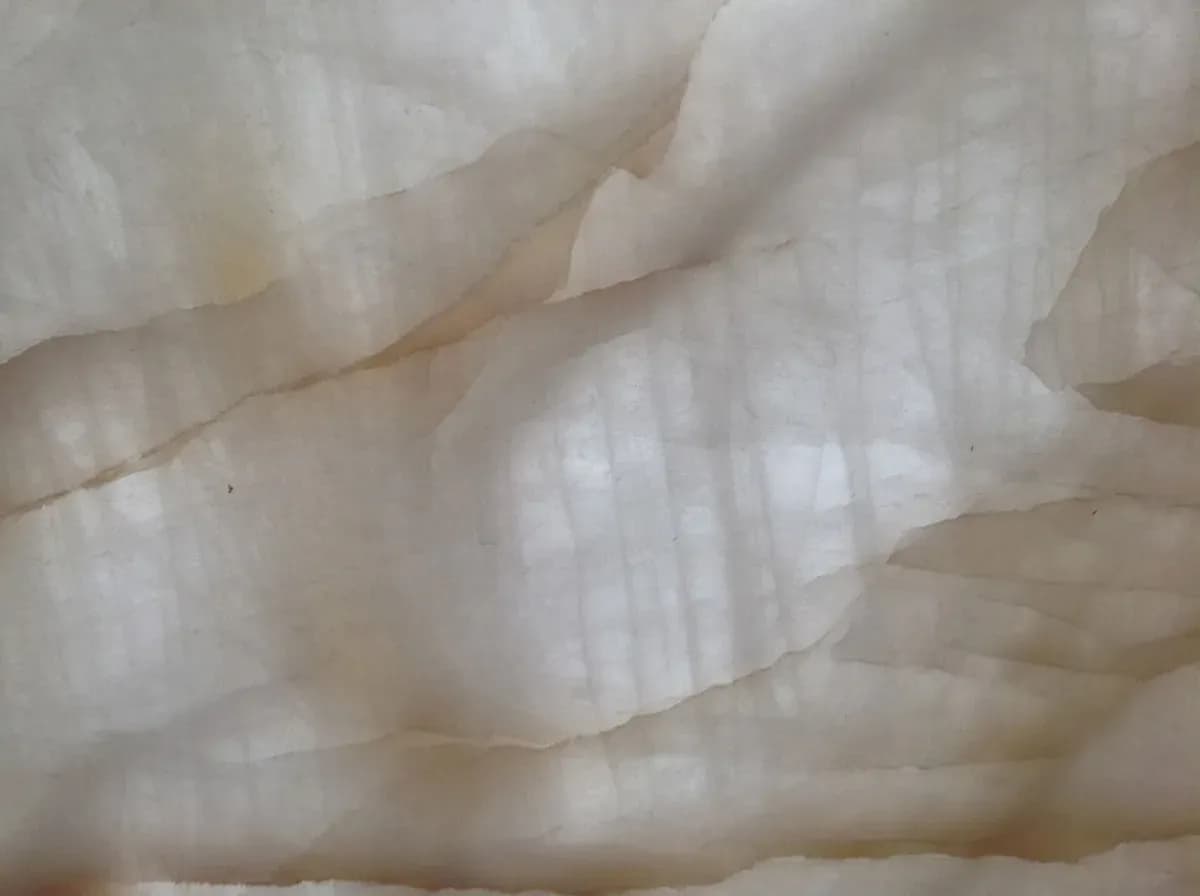
Cristallo
quartzite white
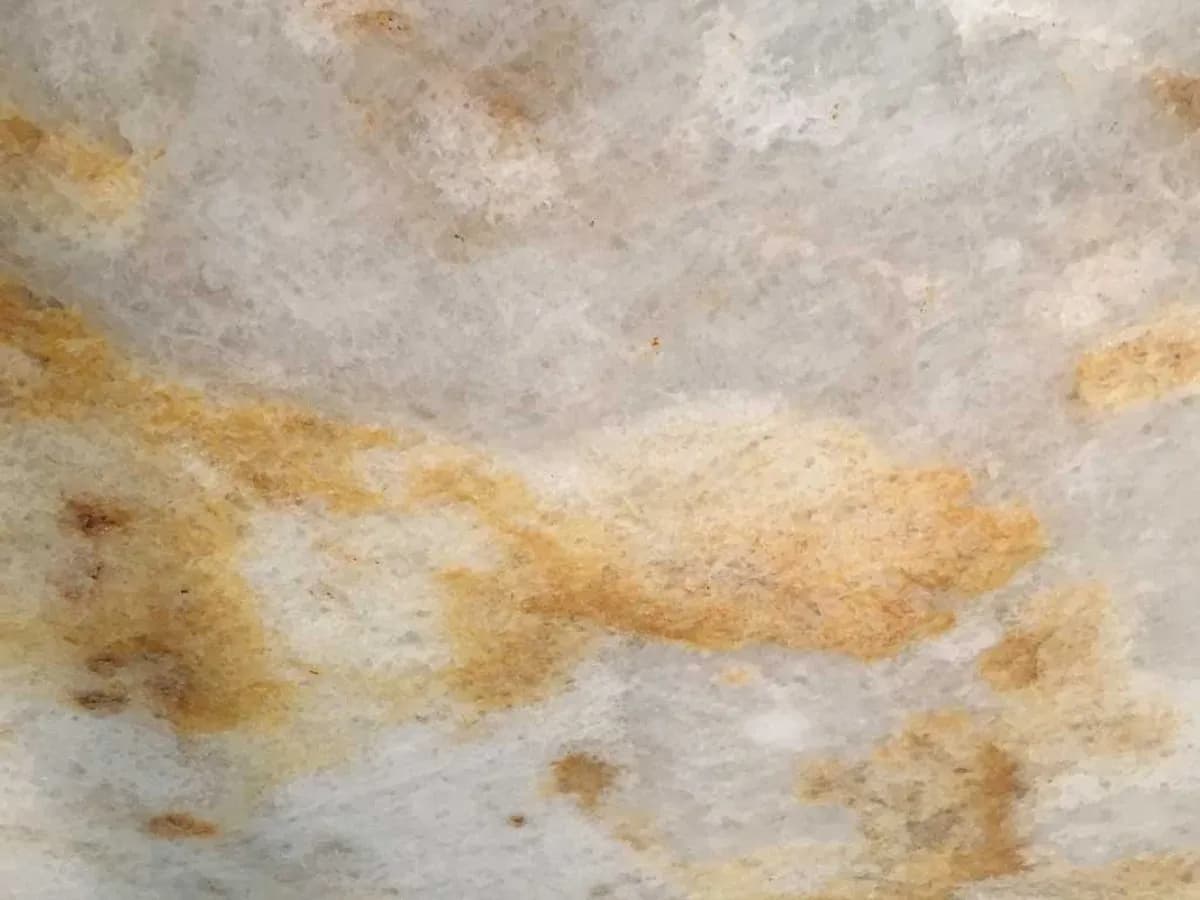
Cristallo Gold
quartzite white
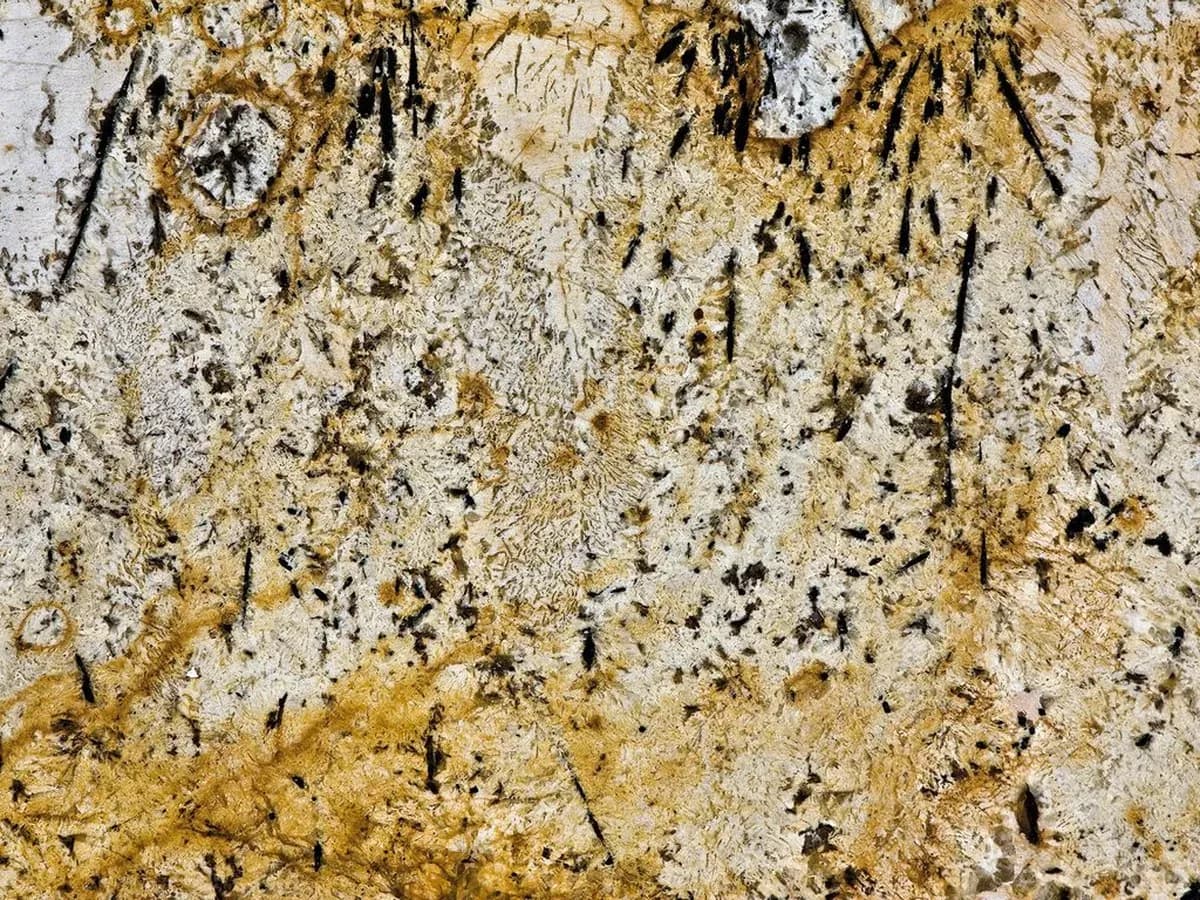
Delicatus Gold
granite yellow
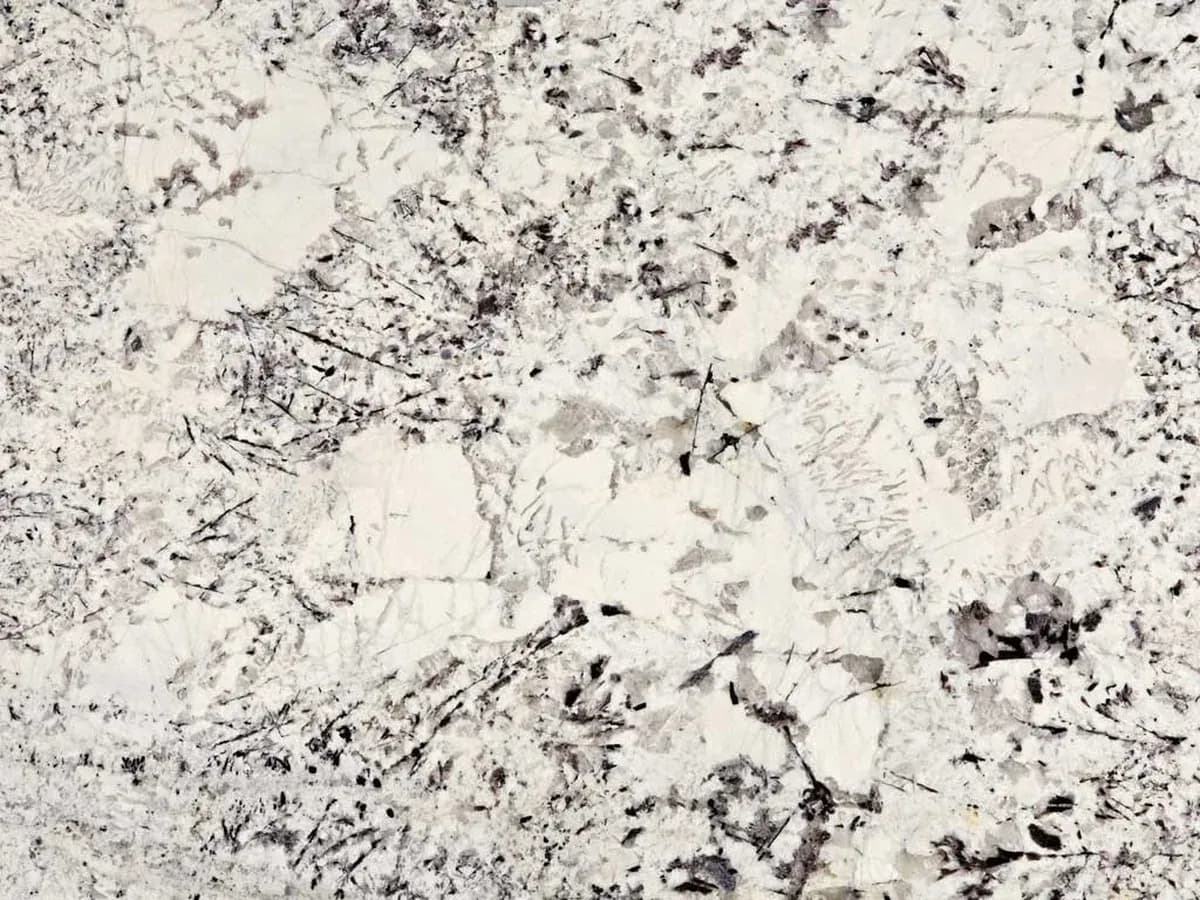
Delicatus White
granite white
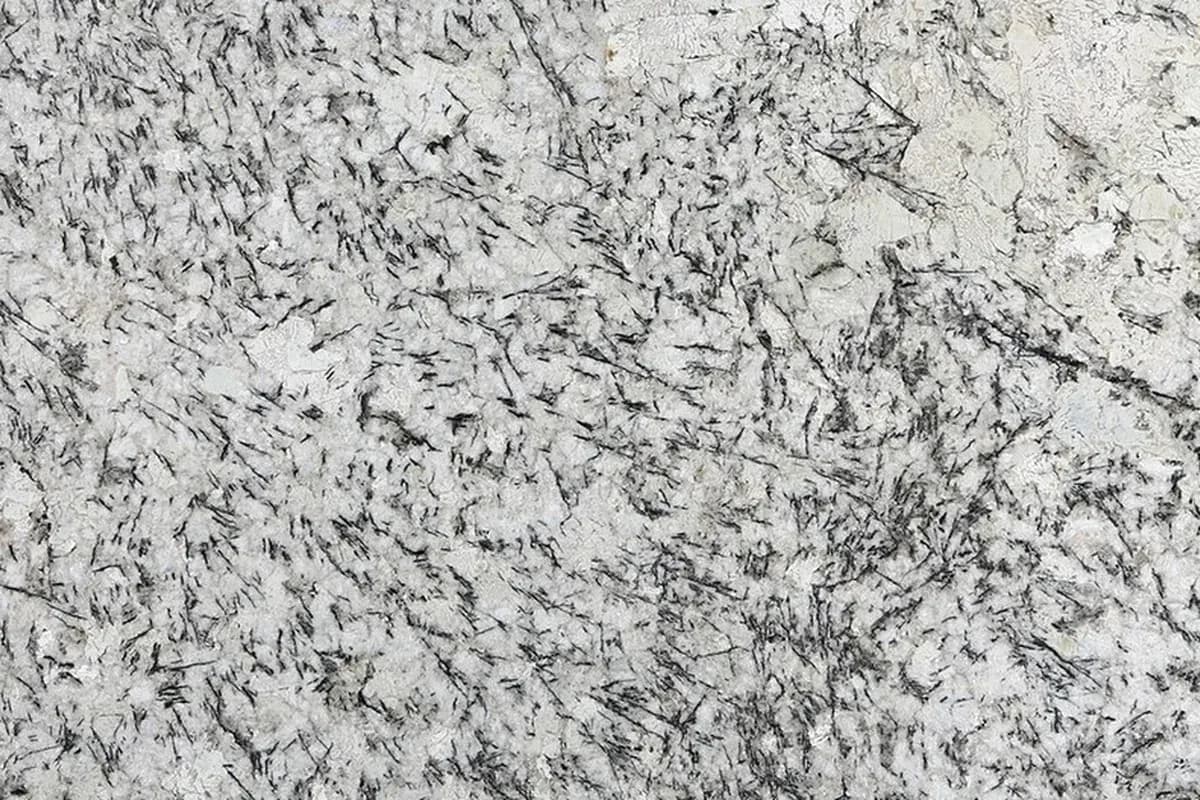
Delicatus White Ib
granite white
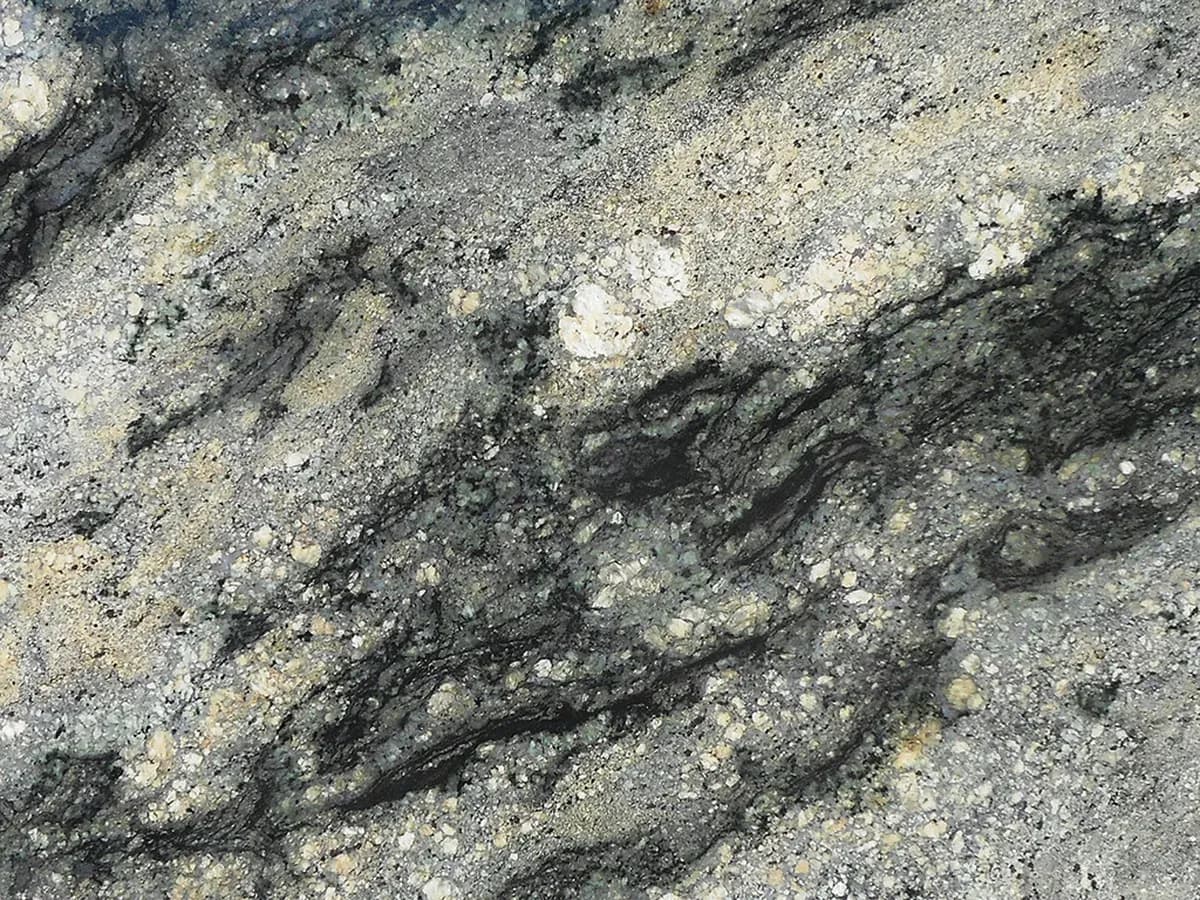
Delirium
quartzite green
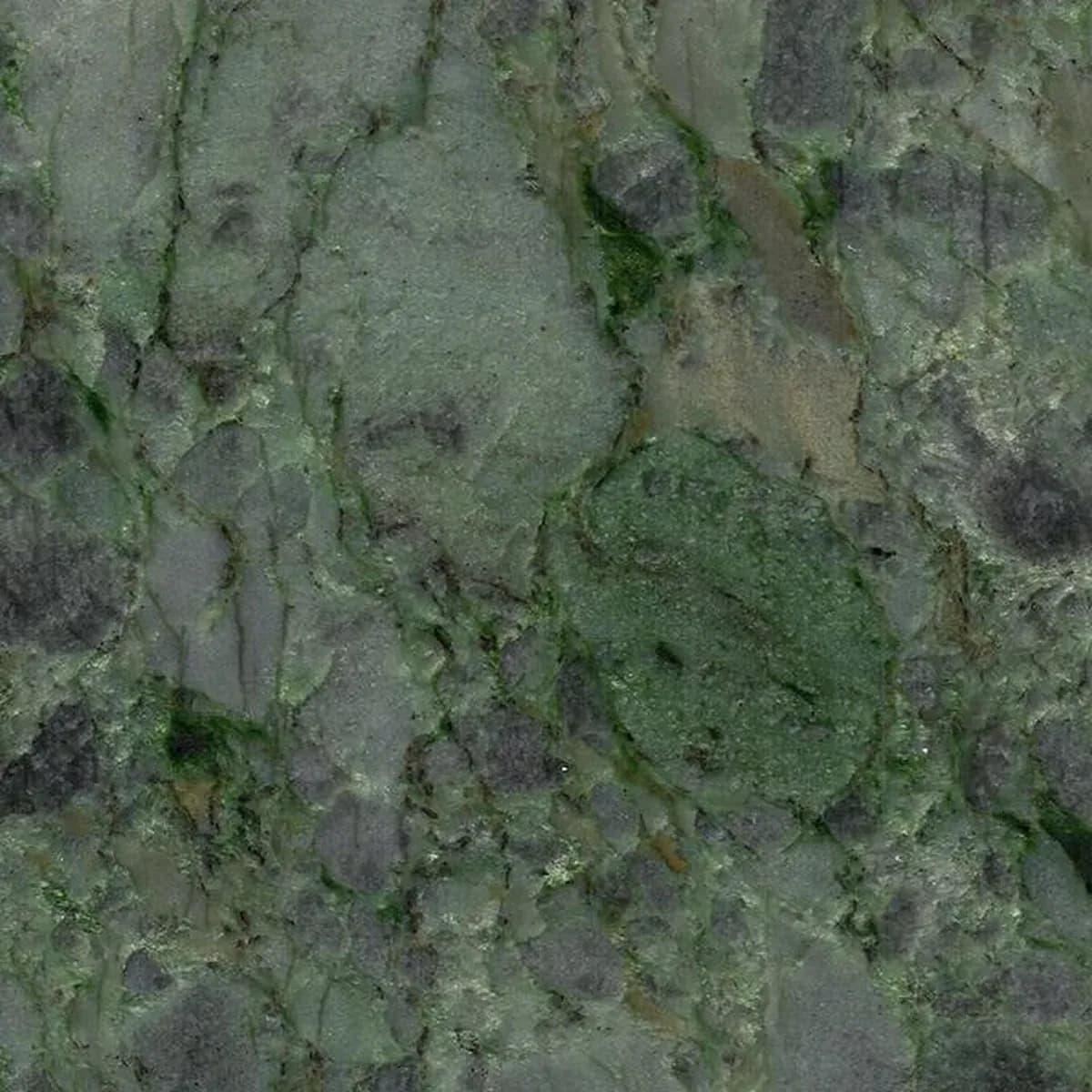
Emerald Green
quartzite green
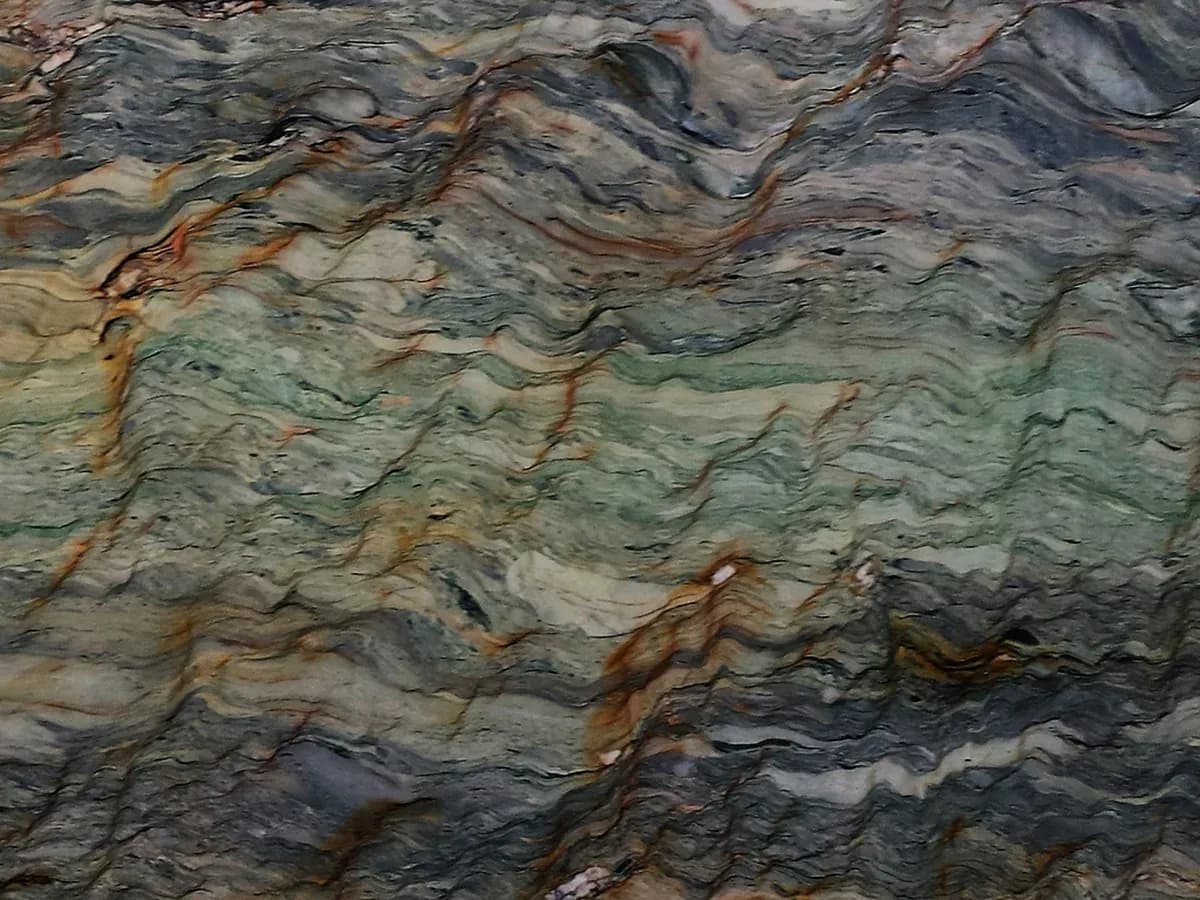
Fusion Blue
quartzite blue
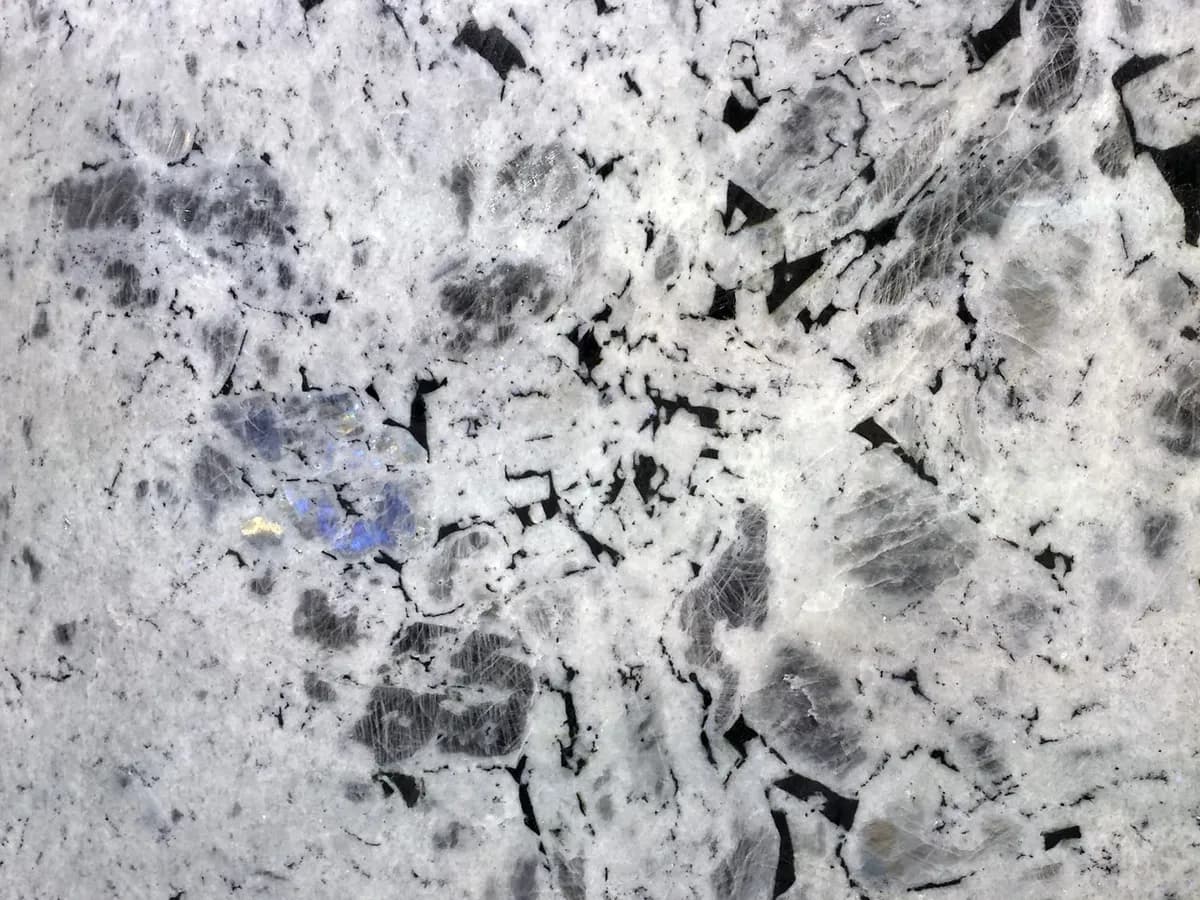
Labradorite White
granite white
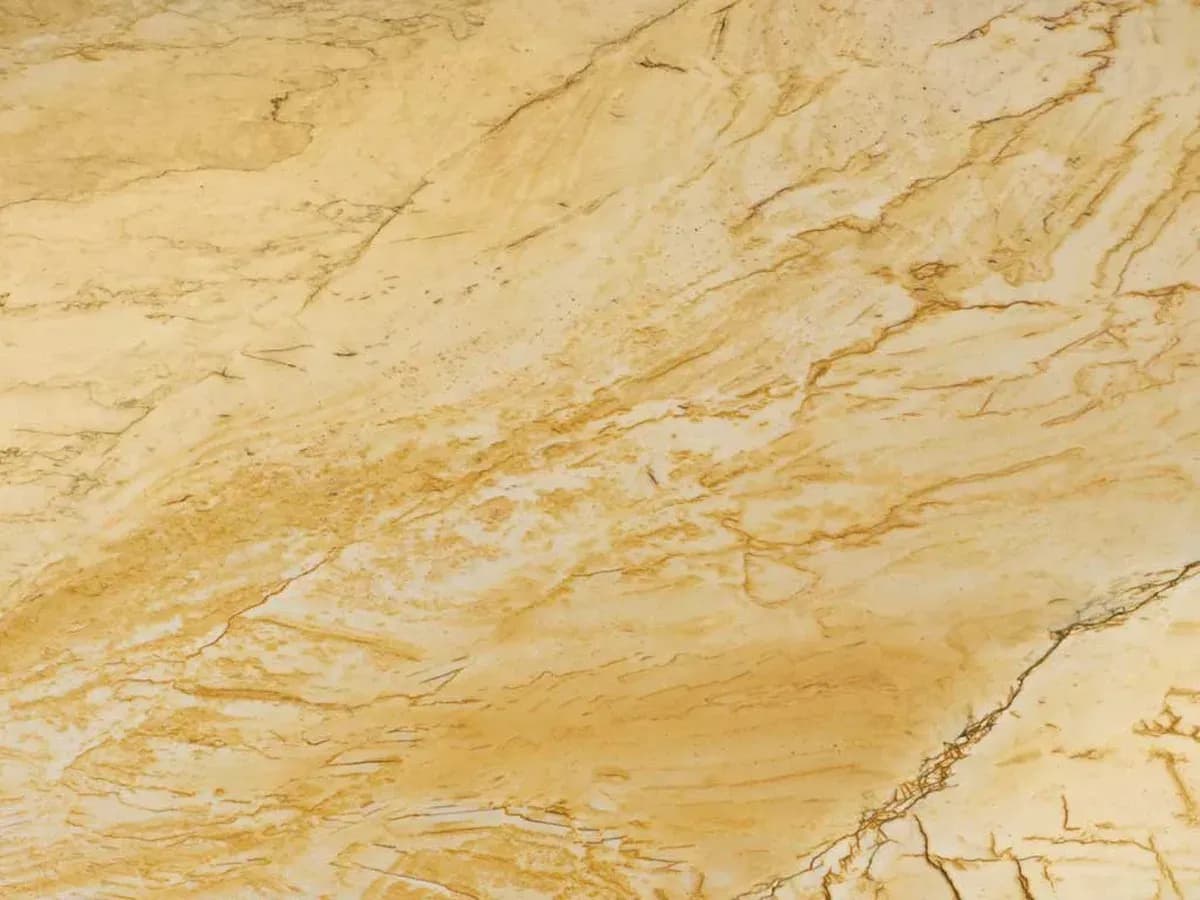
Macaubas Gold
quartzite yellow
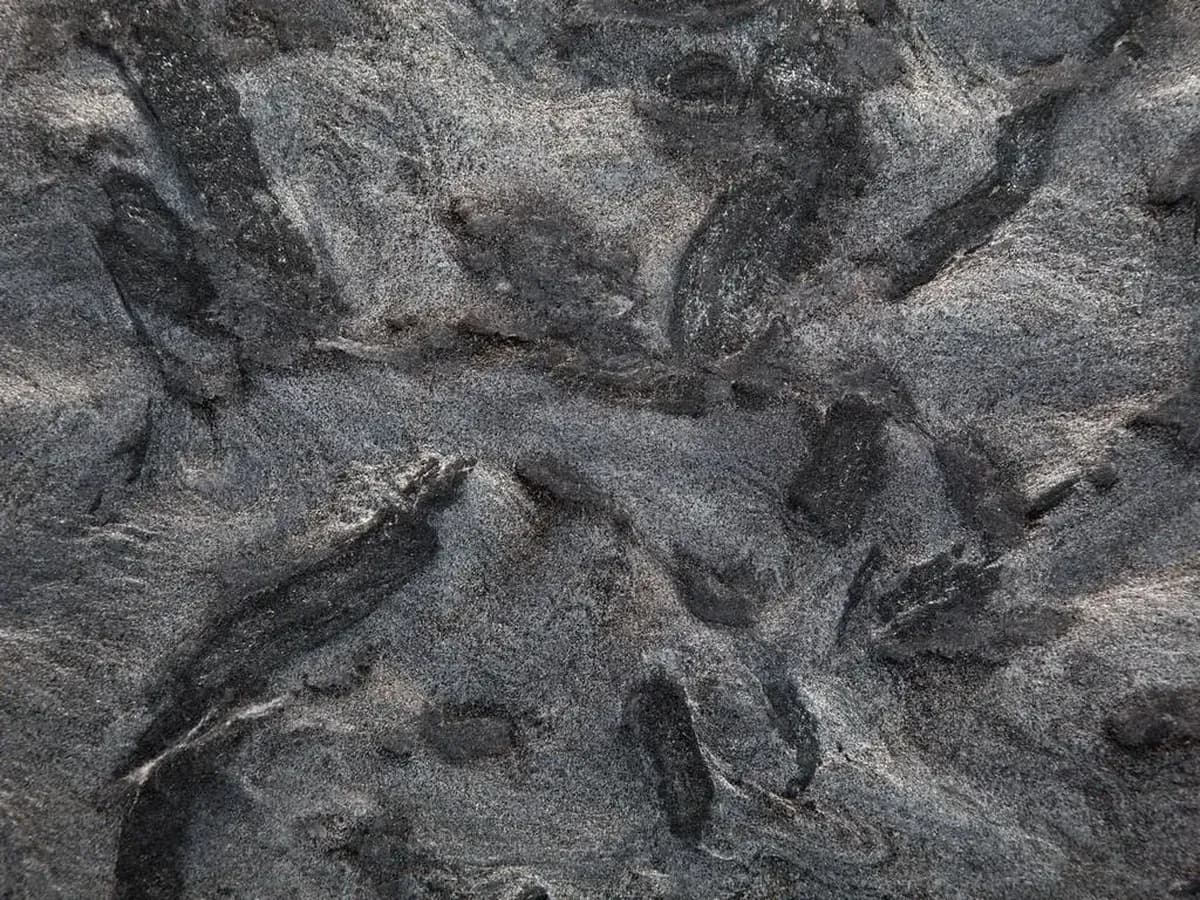
Matrix
granite black
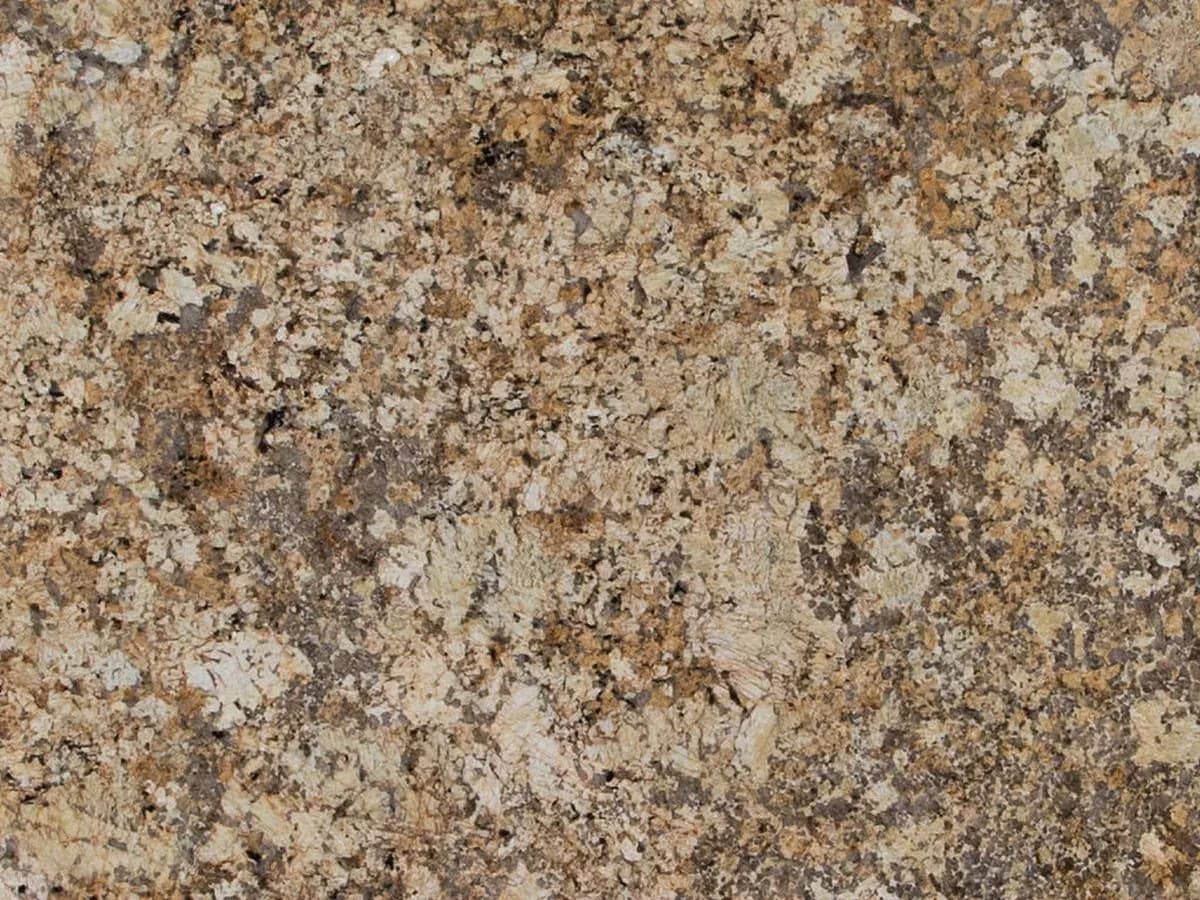
Namibian Gold
granite yellow
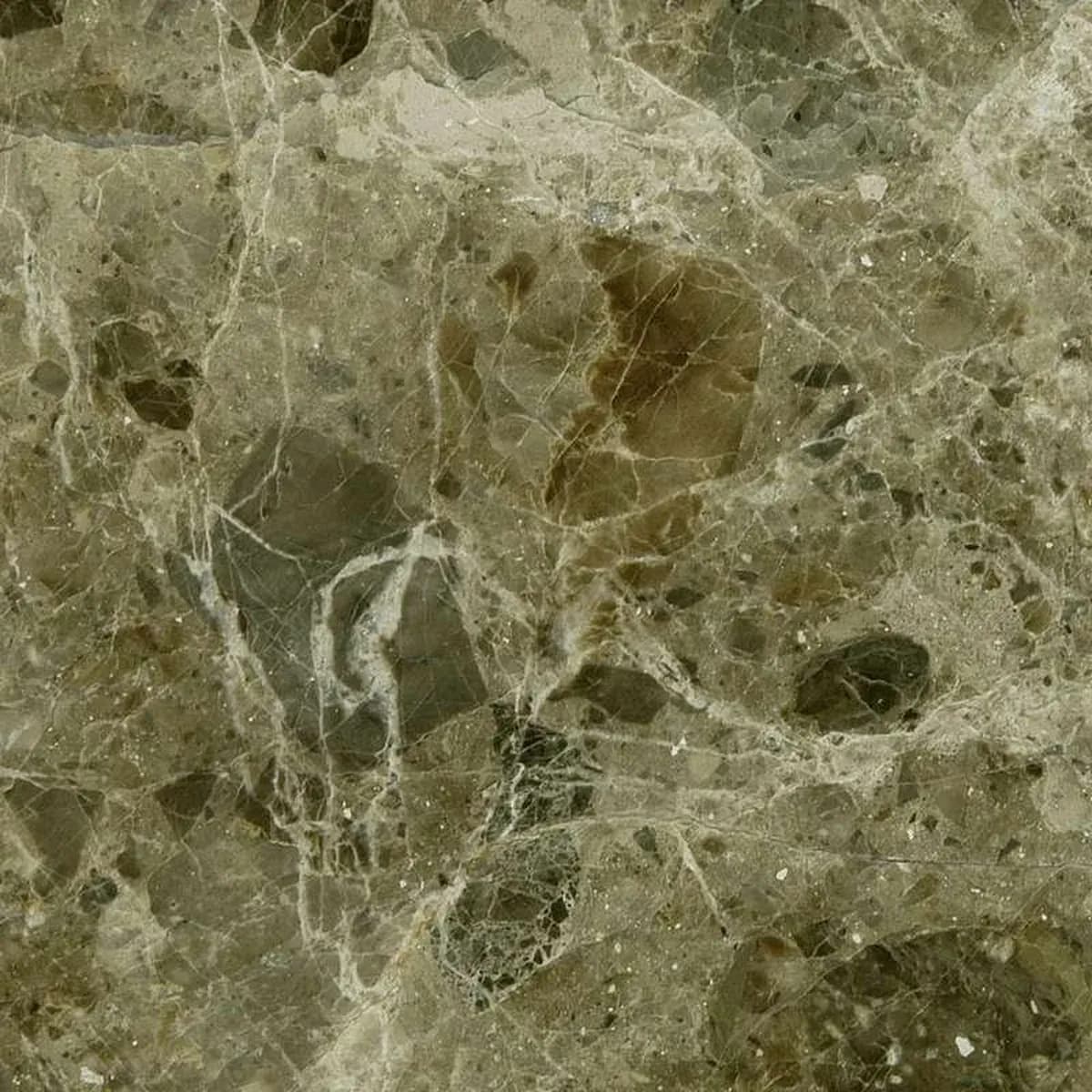
Paradiso
granite
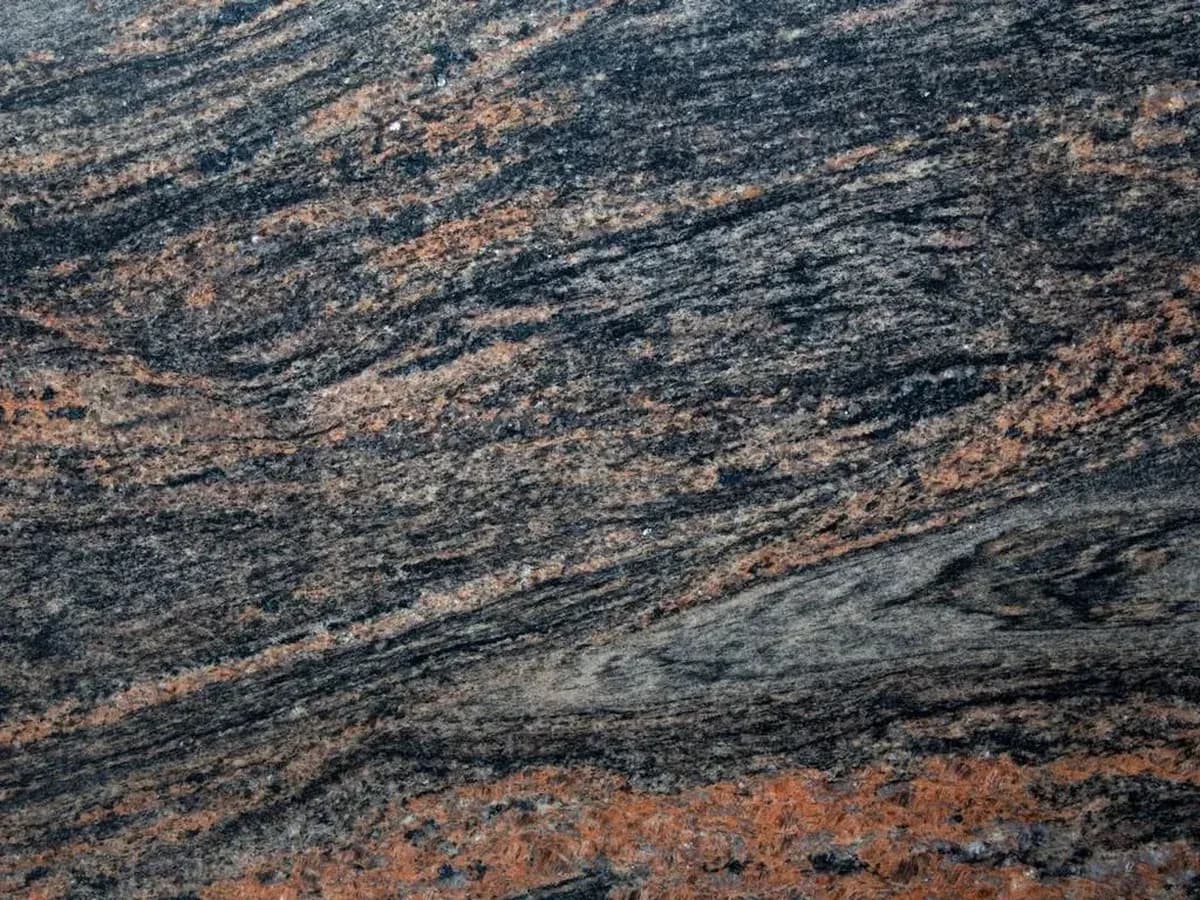
Paradiso Bash
granite
Frequently asked questions
- Is stone used as structure or as cladding?
- Today more often as cladding or a finishing element, while the structure is in other materials. On historic bridges it can also be load-bearing.
- How is the stone cladding fixed?
- With stainless steel mechanical anchors sized by the engineer. Tolerances and joints are defined in the design.
From the quarry to your project
Request a quote
Sizes, photos or a drawing: we reply within one working day with photos of the available slabs.